For decades, sustainability was treated as a public-relations exercise — a glossy report and a few green initiatives bolted onto business as usual. That era is over. Today, sustainability has become a core strategic issue, and companies that fail to take it seriously risk losing customers, talent, and investment. This is no longer idealism; it is sound business sense.
Customers Are Voting With Their Wallets
Consumers, and especially younger generations, increasingly expect the brands they buy from to act responsibly. They reward companies that reduce waste, treat workers fairly, and limit their environmental impact — and they are quick to abandon those that do not. Reputation, once lost, is expensive to rebuild.
The Business Case Is Real
- Efficiency savings – using less energy, water, and material directly cuts costs.
- Risk management – sustainable firms are better prepared for regulation and resource shortages.
- Access to capital – investors increasingly screen companies on environmental and social performance.
- Talent – employees want to work for organisations whose values they share.
From Compliance to Innovation
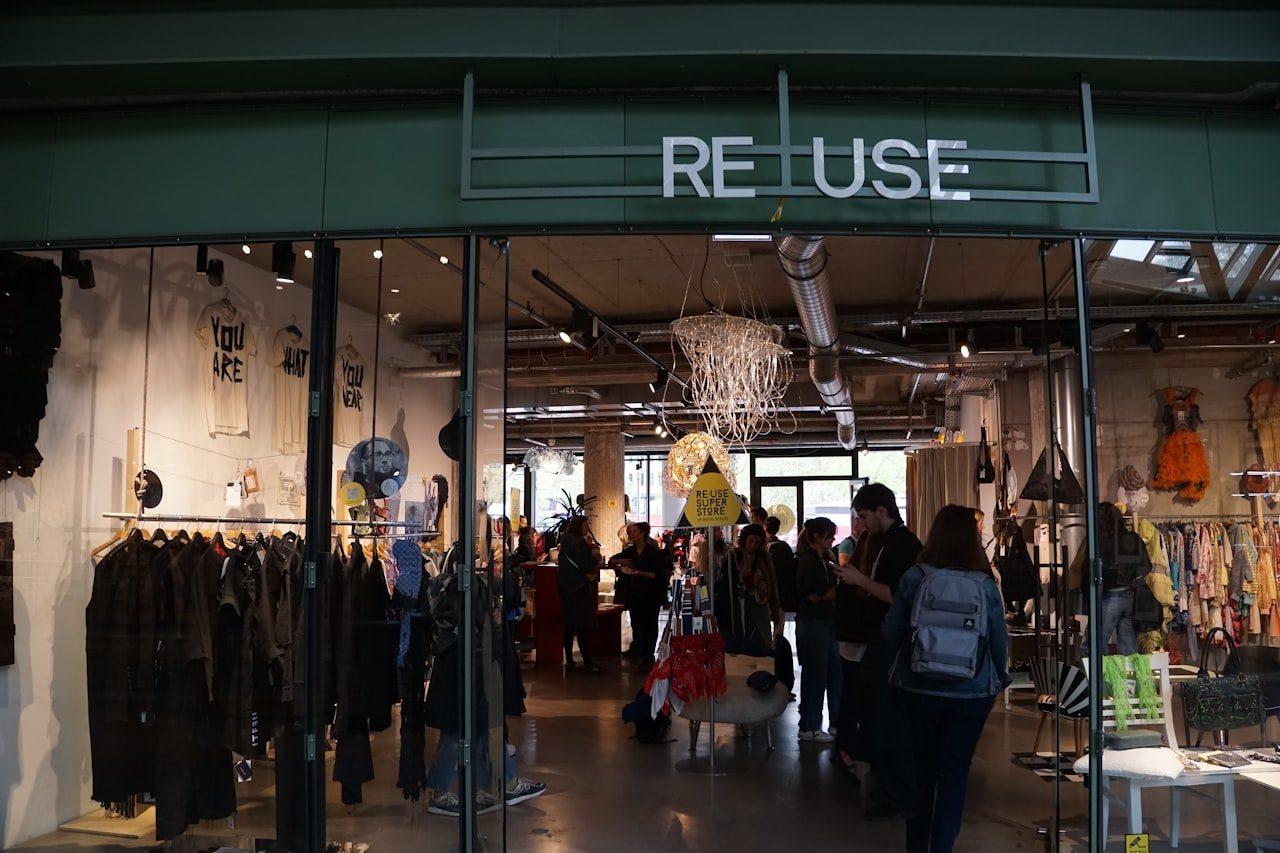
The most forward-thinking companies see sustainability not as a burden but as a source of innovation. Designing products for reuse, rethinking supply chains, and embracing the circular economy can open new markets and create lasting competitive advantage. Constraints, handled creatively, often spark the best ideas.
A Defining Challenge
None of this means the transition is easy. It requires investment, honesty about trade-offs, and a willingness to change long-standing practices. But the direction of travel is clear. In the years ahead, sustainability will increasingly separate the businesses that thrive from those that fade. For modern companies, it is no longer optional — it is the price of staying relevant.