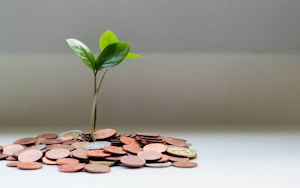

- An emergency fund is a dedicated cash reserve covering 3–6 months of essential expenses for unexpected financial setbacks
- Starting small—even $500—dramatically reduces the risk of going into debt when life throws a curveball
- Automating transfers to a high-yield savings account makes building your fund effortless and consistent
- The 50/30/20 budgeting rule helps you carve out savings without sacrificing your lifestyle entirely
- Replenishing your fund after a withdrawal is just as important as building it in the first place
INDUSTRY.co.id — An emergency fund is the cornerstone of financial planning. Learn how to build one step by step and protect yourself from unexpected expenses in 2026.
What Is an Emergency Fund and Why Do You Need One?
An emergency fund is a stash of money set aside specifically to cover unexpected financial surprises. Unlike your regular savings or investment accounts, this money is liquid—meaning you can access it quickly without penalties, market losses, or tax consequences. Think of it as a financial safety net that catches you when life throws the inevitable curveball: a sudden job loss, an urgent car repair, a surprise medical bill, or a broken furnace in the middle of winter.
The importance of an emergency fund cannot be overstated. According to a 2025 Bankrate survey, roughly 56 percent of Americans would struggle to cover an unexpected $1,000 expense from their savings. Without a dedicated reserve, people often turn to high-interest credit cards, payday loans, or borrowing from retirement accounts—each of which carries significant long-term financial consequences. A single emergency without adequate savings can spiral into months or even years of debt repayment.
Beyond the practical protection, an emergency fund provides something equally valuable: peace of mind. Knowing that you have a financial cushion reduces stress, improves decision-making, and gives you the freedom to make career or life choices without being backed into a corner by money worries. Whether you live in the United States, the United Kingdom, or Australia, the principle is universal—financial resilience starts with a cash reserve you can count on.
How Much Should You Save in Your Emergency Fund?
The most widely recommended target is three to six months of essential living expenses. Essential expenses include rent or mortgage payments, utilities, groceries, insurance premiums, minimum debt payments, and transportation costs—not dining out, subscriptions, or entertainment. To calculate your number, add up these non-negotiable monthly costs and multiply by three for a baseline fund or by six for a more robust safety net.
However, the right amount depends on your personal circumstances. Here is a general framework to help you decide:
| Situation | Recommended Fund Size | Reasoning |
|---|---|---|
| Single, stable job, no dependents | 3 months of expenses | Lower financial obligations; easier to cut costs if needed |
| Single income, dependents | 6 months of expenses | Greater responsibility; fewer fallback options |
| Dual income household | 3–4 months of expenses | Two incomes provide a natural buffer |
| Self-employed or freelance | 6–9 months of expenses | Income can be irregular and unpredictable |
| Retired or near retirement | 6–12 months of expenses | Limited ability to earn additional income quickly |
If the full target feels overwhelming, remember that any amount is better than zero. Start with a mini emergency fund of $500 to $1,000. This alone can cover the most common small emergencies—a flat tire, an appliance repair, or an urgent dental visit—without derailing your finances. You can always build from there.
Where to Keep Your Emergency Fund
Your emergency fund needs to be accessible, safe, and separate from your everyday spending account. The goal is not to earn maximum returns—it is to have the money available the moment you need it, without risk of loss. Here are the best options available in 2026:
High-yield savings accounts (HYSAs) are the top choice for most people. Online banks and fintech platforms routinely offer annual percentage yields (APYs) of 4 to 5 percent, far above the national average of 0.4 percent at traditional brick-and-mortar banks. Your money earns interest while remaining fully liquid and FDIC-insured up to $250,000 per depositor. Popular options include Marcus by Goldman Sachs, Ally Bank, and Discover Online Savings.
Money market accounts (MMAs) are another strong option. They function similarly to savings accounts but sometimes offer check-writing privileges or a debit card, giving you slightly faster access to funds. Rates are competitive with HYSAs, though minimum balance requirements may be higher.
Cash management accounts offered by brokerage firms like Fidelity or Vanguard sweep your cash into partner banks, often providing FDIC insurance across multiple institutions and yields that match or exceed HYSAs. These are ideal if you already have investment accounts and want everything under one roof.
What you should avoid for emergency savings: regular checking accounts (too easy to spend), certificates of deposit (penalties for early withdrawal), the stock market (too volatile for money you might need tomorrow), and physical cash at home (no interest, risk of loss or theft).
Step-by-Step Plan to Build Your Emergency Fund
Building an emergency fund does not require a financial degree or a massive income. It requires a plan and consistency. Follow these steps to go from zero to fully funded:
Step 1: Calculate your target. Review your bank and credit card statements from the past three months. List only essential expenses—housing, food, utilities, insurance, transportation, and minimum debt payments. Multiply that monthly total by six. That is your long-term emergency fund goal.
Step 2: Open a dedicated account. Do not keep your emergency fund in the same account you use for daily spending. Open a separate high-yield savings account and label it something clear like "Emergency Fund" or "Do Not Touch." Physical and psychological separation from spending money makes a measurable difference in saving behavior.
Step 3: Start with a mini goal. Instead of fixating on the full six-month figure, aim for $500 first, then $1,000, then one month of expenses. Breaking the goal into milestones keeps motivation high and gives you quick wins along the way.
Step 4: Automate your savings. Set up an automatic transfer from your checking account to your emergency fund on every payday. Even $25 or $50 per paycheck adds up faster than you think. Automation removes the temptation to skip a month and turns saving into a habit rather than a decision.
Step 5: Direct windfalls to your fund. Tax refunds, work bonuses, cash gifts, rebates, and side hustle income can turbocharge your emergency fund. Commit to directing at least 50 percent of any unexpected money toward your savings goal until the fund is fully established.
Step 6: Monitor and adjust quarterly. Review your progress every three months. If your expenses change—new rent, a different insurance premium—recalculate your target. If you get a raise, increase your automatic transfer proportionally.
How to Speed Up Your Emergency Fund Growth
If you want to build your emergency fund faster without waiting years, these strategies can accelerate the process significantly:
Audit your subscriptions. The average American household spends over $200 per month on subscriptions they rarely use. Cancel or pause streaming services, gym memberships, meal kits, and app subscriptions you have forgotten about. Redirect that money directly to your emergency fund.
Adopt the 50/30/20 budget. Allocate 50 percent of your after-tax income to needs, 30 percent to wants, and 20 percent to savings and debt repayment. If you can temporarily shift your wants category down to 20 percent, that extra 10 percent can build your fund months faster.
Sell unused items. Electronics, furniture, clothing, sporting equipment, and collectibles can generate hundreds or even thousands of dollars through platforms like eBay, Facebook Marketplace, or Poshmark. Decluttering your home while funding your financial safety net is a win-win.
Pick up a temporary side hustle. Freelancing, tutoring, rideshare driving, pet sitting, or selling crafts can funnel extra income straight to savings. Even a few hundred dollars per month from a side gig can cut your timeline in half.
Use cash windfalls strategically. Tax season is the single biggest opportunity for most people. The average US tax refund in 2025 was approximately $3,100. If you receive a refund, resist the urge to splurge and direct most or all of it to your emergency fund.
Common Mistakes to Avoid When Building an Emergency Fund
Even with the best intentions, certain pitfalls can slow your progress or leave you financially exposed. Here are the most common mistakes and how to avoid them:
Keeping your fund in the wrong account. If your emergency savings sit in your regular checking account, they will get spent. The money needs to be separate enough to require a deliberate transfer, but accessible enough that you can get it within one to two business days.
Setting the target too high too fast. Aiming for 12 months of expenses right out of the gate can feel paralyzing. Start with $500, then one month, then three months. Progress builds momentum.
Dipping into the fund for non-emergencies. A vacation is not an emergency. A sale at your favorite store is not an emergency. Define what qualifies as a true emergency before you need the money—job loss, medical crisis, essential home or car repair, or unexpected travel for a family emergency.
Stopping contributions once the fund is full. Once you hit your target, redirect automatic transfers to other financial goals—retirement contributions, debt payoff, or investing. But keep the fund topped up as your expenses grow over time.
Neglecting to replenish after a withdrawal. Life happens, and you may need to tap your fund. That is exactly what it is for. But immediately restart contributions afterward to rebuild the balance as quickly as possible.
When and How to Use Your Emergency Fund
Knowing when to dip into your emergency fund is just as important as building it. The fund exists for genuine financial emergencies—unexpected, necessary, and urgent expenses that cannot wait until your next paycheck. Here is a practical decision framework:
Use your emergency fund for: Job loss or significant income reduction, unexpected medical or dental bills, essential home repairs (roof leak, broken HVAC, plumbing emergency), urgent car repairs needed for commuting, emergency travel for a family crisis, or natural disaster expenses not covered by insurance.
Do NOT use your emergency fund for: Planned expenses you should have budgeted for, holiday shopping or gift-giving, investment opportunities (no matter how exciting they sound), non-essential purchases or lifestyle upgrades, or predictable maintenance like oil changes or seasonal tire swaps.
When you do withdraw from the fund, treat it as a top financial priority to replenish it. Adjust your budget temporarily, funnel any extra income back into the account, and avoid making additional non-essential purchases until the fund is restored to its target level. The cycle of building, using when truly necessary, and rebuilding is the hallmark of sound personal finance management.
Frequently Asked Questions
FAQ
Most financial experts recommend saving three to six months of essential living expenses. If you are self-employed, have dependents on a single income, or work in an unstable industry, aim for six to nine months. The key is covering rent, food, utilities, insurance, and minimum debt payments if you lost your income tomorrow.
A high-yield savings account at an FDIC-insured online bank is the best option for most people. These accounts offer yields of 4 to 5 percent in 2026, are fully liquid, and keep your money separate from daily spending. Avoid investing emergency funds in the stock market due to volatility and potential losses.
The timeline depends on your income, expenses, and savings rate. Saving $200 per month, you can build a $1,000 mini fund in five months and a three-month expense fund in roughly 12 to 18 months. Using windfalls like tax refunds and side income can cut that timeline significantly.
A balanced approach works best. Build a small emergency fund of $500 to $1,000 first to avoid going deeper into debt when surprises arise, then aggressively pay down high-interest debt like credit cards. Once high-interest debt is eliminated, shift focus back to building a full three-to-six-month fund.
A true emergency is unexpected, urgent, and necessary. Examples include job loss, medical emergencies, critical home repairs, and essential car breakdowns. Planned expenses, sales, vacations, and investment opportunities do not qualify. When in doubt, ask yourself: will this cause serious harm if I do not pay for it right now?
It is generally not recommended. The purpose of an emergency fund is capital preservation and liquidity, not growth. Stocks and bonds can lose value right when you need the money most. Stick with high-yield savings accounts or money market accounts where your principal is protected and accessible within a day.
Keeping small amounts of physical cash at home for immediate needs during natural disasters or power outages is reasonable—perhaps $200 to $500. However, the bulk of your emergency fund should be in an FDIC-insured bank account where it earns interest and is protected from theft, fire, or loss.
- Start immediately: Even $500 in a dedicated emergency fund protects you from the most common financial surprises.
- Target 3–6 months: Calculate your essential monthly expenses and multiply by three to six for your full savings goal.
- Use a high-yield savings account: Keep your fund separate from spending money in an FDIC-insured account earning 4–5 percent APY.
- Automate contributions: Set up recurring transfers on payday so saving happens without willpower or decision-making.
- Define true emergencies: Job loss, medical crises, and essential repairs qualify—vacations and sales do not.
- Replenish after withdrawals: When you use the fund, make rebuilding it your top financial priority immediately.