
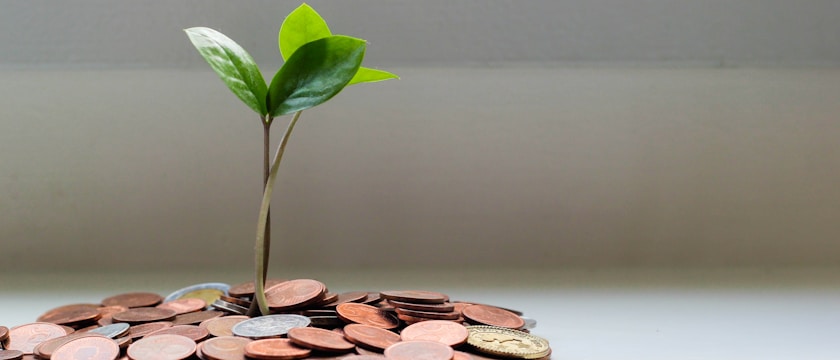
- Financial experts recommend saving 3-6 months of living expenses in an emergency fund — enough to cover rent, food, utilities, and debt payments if you lose your income
- In Asia, where 60-70% of workers are in the informal sector without severance pay, an emergency fund is even more critical than in developed countries
- The best place to keep your emergency fund is a high-yield savings account that earns 2-5% interest while remaining instantly accessible
- You can build a 3-month emergency fund in 6-12 months by saving just 10-15% of your monthly income
- An emergency fund is not an investment — its purpose is safety and liquidity, not growth. Keep it separate from your investment portfolio
Life is unpredictable. A sudden job loss, medical emergency, car breakdown, or family crisis can happen at any time — and without financial preparation, these events can push you into debt that takes years to recover from. An emergency fund is your financial safety net, and building one is the single most important step you can take toward financial security.
This guide explains exactly how to build an emergency fund from scratch, where to keep it, how much you need, and common mistakes to avoid. Whether you live in Singapore, Japan, Thailand, Malaysia, Indonesia, the Philippines, or anywhere else in Asia, this guide applies to you.
What Is an Emergency Fund?
An emergency fund is money set aside specifically for unexpected expenses or financial emergencies. It is:
- Liquid: You can access it immediately (within 24 hours) without penalties
- Separate: Kept in a different account from your daily spending money
- Untouched: Used only for genuine emergencies, not vacations or shopping
- Safe: Not invested in stocks, crypto, or anything that can lose value
Think of it as your personal insurance policy. You hope you never need it, but when you do, it prevents a manageable crisis from becoming a financial catastrophe.
Why You Need One — Especially in Asia
While emergency funds are universally important, they are especially critical in Asia for several reasons:
- Limited social safety nets: Many Asian countries lack comprehensive unemployment insurance. In Indonesia, the Philippines, and Vietnam, there is no government unemployment benefit for most workers
- Informal employment: 60-70% of workers in Southeast Asia are in the informal sector — no severance pay, no employer health insurance, no pension
- Family financial obligations: In Asian culture, it is common to financially support parents, siblings, or extended family. An emergency affects not just you but your entire family network
- Natural disasters: Asia is the most disaster-prone region in the world — typhoons, earthquakes, floods, and volcanic eruptions can disrupt lives and livelihoods without warning
- Medical costs: Even in countries with universal healthcare, serious illness often requires out-of-pocket payments for medicines, specialist care, or treatment at private hospitals
- Currency volatility: In countries like Indonesia, Philippines, and Vietnam, currency depreciation can erode savings if not properly managed
How Much Should You Save?
The standard recommendation is 3-6 months of essential living expenses. Here is how to calculate it:
Step 1: Calculate Your Monthly Essential Expenses
Include only what you absolutely must pay each month:
- Rent or mortgage payment
- Food and groceries
- Utilities (electricity, water, internet)
- Transportation (fuel, public transit)
- Insurance premiums
- Minimum debt payments (credit card, loan installments)
- Children's school fees (if applicable)
Step 2: Multiply by 3-6
- 3 months: If you have a stable job, dual income household, or strong family support
- 6 months: If you are self-employed, freelancer, single income household, or work in an unstable industry
- 9-12 months: If you are a business owner, have irregular income, or are the sole breadwinner for a large family
Examples by Country
- Singapore: Monthly essentials ~S$2,500-4,000. Emergency fund: S$7,500-24,000
- Malaysia: Monthly essentials ~RM 2,000-3,500. Emergency fund: RM 6,000-21,000
- Thailand: Monthly essentials ~THB 15,000-25,000. Emergency fund: THB 45,000-150,000
- Indonesia: Monthly essentials ~Rp 3-6 juta. Emergency fund: Rp 9-36 juta
- Philippines: Monthly essentials ~PHP 15,000-25,000. Emergency fund: PHP 45,000-150,000
- Vietnam: Monthly essentials ~VND 8-15 juta. Emergency fund: VND 24-90 juta
Where to Keep Your Emergency Fund
Your emergency fund needs to be safe, liquid, and earn some interest. Here are the best options:
1. High-Yield Savings Account (Best Option)
- Interest rate: 2-5% per year depending on country
- Liquidity: Instant access via ATM or online banking
- Safety: Protected by deposit insurance (up to a limit)
- Where: Digital banks often offer higher rates than traditional banks
2. Money Market Fund
- Interest rate: 3-6% per year
- Liquidity: Withdraw in 1-2 business days
- Safety: Very low risk, but not deposit-insured
- Where: Available through robo-advisors and fund platforms
3. Short-Term Fixed Deposit (Not Recommended for Full Fund)
- Interest rate: 3-5% per year
- Liquidity: Locked for 1-12 months (early withdrawal penalty)
- Safety: Deposit-insured
- Use: OK for part of your fund that you are confident you won't need immediately
Where NOT to Keep It
- Stocks: Too volatile — could lose 30% in a market crash right when you need the money
- Cryptocurrency: Extremely volatile — not suitable for emergency funds
- Under your mattress: Loses value to inflation, risk of theft
- Time deposits with long lock-in: You can't access the money quickly
- Real estate: Illiquid — takes months to sell
Step-by-Step: Building Your Fund from Zero
Month 1-2: Set Up the Foundation
- Open a separate savings account specifically for your emergency fund. Do not mix it with your daily spending account
- Set a target: Start with a mini-goal of 1 month's expenses. This alone will reduce financial stress significantly
- Automate transfers: Set up an automatic transfer from your salary account to your emergency fund on payday — before you have a chance to spend it
Month 3-6: Build Momentum
- Save 10-15% of your income each month. If you earn Rp 5 million, save Rp 500.000-750.000
- Cut one unnecessary expense: Cancel a subscription, eat out less, or reduce impulse shopping
- Add windfalls: Tax refunds, bonuses, gifts, or side income — put at least 50% into your emergency fund
Month 7-12: Reach Your Goal
- Review and adjust: As your expenses change, update your target amount
- Increase savings rate: If you got a raise, increase your savings percentage (not your spending)
- Celebrate milestones: 1 month saved, 3 months saved, 6 months saved — acknowledge your progress
Saving Strategies That Actually Work
The 50/30/20 Rule
Allocate your after-tax income:
- 50% for needs: Rent, food, utilities, transportation, insurance
- 30% for wants: Dining out, entertainment, shopping, hobbies
- 20% for savings: Emergency fund, investments, debt repayment
The Pay Yourself First Method
Before paying any bills or spending on anything, transfer your savings amount to your emergency fund. Treat it as a non-negotiable "bill" that must be paid every month.
The No-Spend Challenge
Designate 1-2 days per week as "no-spend days" where you spend nothing except absolute essentials. Transfer the money you would have spent into your emergency fund.
The Round-Up Method
Round up every purchase to the nearest whole number and save the difference. Buy coffee for Rp 28.000? Round up to Rp 30.000 and save Rp 2.000. Small amounts add up over time.
The Side Income Split
If you earn extra money from freelance work, selling items, or side hustles, split it 50/50: 50% to emergency fund, 50% to spending. This accelerates your savings without feeling restrictive.
Common Mistakes to Avoid
- Keeping it in your regular account: If your emergency fund is in the same account as your spending money, you will spend it. Always keep it separate
- Investing it: The stock market could crash 30% right when you lose your job. Emergency funds must be safe and accessible, not high-growth
- Using it for non-emergencies: A sale at your favorite store is not an emergency. A vacation is not an emergency. Define what constitutes a real emergency and stick to it
- Stopping once you reach your goal: Keep the fund topped up. If you use some, replenish it. Review the amount annually as expenses change
- Setting the target too high: If 6 months feels overwhelming, start with 1 month. A small emergency fund is infinitely better than no emergency fund
- Ignoring inflation: If your savings account earns 1% but inflation is 4%, your money loses 3% of its value each year. Move to a higher-yield account when possible
Tips Specific to Asian Workers
- Use digital banks: In Malaysia (GX Bank, Boost Bank), Indonesia (SeaBank, Bank Jago), and Philippines (Maya, Tonik), digital banks offer higher interest rates than traditional banks
- Consider multi-currency: If you live in a country with a volatile currency (IDR, PHP, VND), consider keeping 20-30% of your emergency fund in USD or SGD as a hedge
- Factor in family obligations: If you financially support family members, add their monthly needs to your essential expenses calculation
- Account for seasonal expenses: In many Asian countries, there are large annual expenses like Hari Raya (Eid), Chinese New Year, or Christmas. Budget for these separately from your emergency fund
- Don't forget zakat/tithes: If you pay zakat (2.5% of wealth annually for Muslims) or tithes, factor this into your financial planning
- Use government schemes: In Malaysia (EPF Account 1), Singapore (CPF), and Indonesia (BPJS), your mandatory savings can serve as a secondary emergency buffer
When to Use Your Emergency Fund
An emergency fund should be used ONLY for genuine emergencies:
Yes, Use It For:
- Job loss or sudden income reduction
- Medical emergency not covered by insurance
- Urgent home or car repairs
- Family emergency requiring immediate financial support
- Natural disaster recovery
No, Don't Use It For:
- Sale or promotion at a store
- Vacation or travel
- New gadget or phone upgrade
- Wedding expenses (plan separately)
- Down payment on a house (save separately)
- Investment opportunity (use separate investment funds)
How to Rebuild After Using It
If you have used your emergency fund, rebuilding it should be your top financial priority:
- Assess the damage: How much did you use? Set a new target to replenish
- Temporarily increase savings rate: Cut non-essential spending for 2-3 months to rebuild faster
- Redirect any extra income: Bonuses, tax refunds, side income — all go to the emergency fund until it is replenished
- Don't feel guilty: That is exactly what the fund is for. The fact that you had it means the emergency did not become a crisis
FAQ
Should I pay off debt first or build an emergency fund?
Do both simultaneously, but prioritize high-interest debt (credit cards, personal loans). Save a mini emergency fund of 1 month's expenses first, then aggressively pay down debt while building your full emergency fund.
What if I can only save a small amount?
Start with whatever you can — even Rp 100.000 or $10 per month. The habit of saving matters more than the amount. A Rp 1.2 million emergency fund after a year is infinitely better than Rp 0.
Should I include my emergency fund in my net worth?
Yes. Your emergency fund is part of your financial assets. However, do not count it as available for investments or major purchases — it is reserved for emergencies only.
Is a credit card a substitute for an emergency fund?
No. Credit cards charge 18-24% annual interest. Using a credit card for emergencies turns a temporary crisis into long-term debt. An emergency fund costs you nothing — a credit card emergency costs you dearly.
How do I calculate expenses if they vary each month?
Take the average of your last 3-6 months of essential expenses. Round up slightly to be safe. Review and adjust every 6 months.
What if I already have investments? Should I liquidate them for an emergency fund?
Do not sell investments to build an emergency fund unless you have zero savings and high-interest debt. Instead, redirect new income to building the emergency fund while keeping existing investments intact.
- An emergency fund is 3-6 months of essential expenses kept in a safe, instantly accessible account
- In Asia, where social safety nets are limited, an emergency fund is even more critical than in developed countries
- Keep it in a high-yield savings account — not stocks, crypto, or under your mattress
- Start small: even 1 month of expenses provides massive peace of mind and financial protection
- Automate your savings — transfer money to your emergency fund on payday before you can spend it
- Use it only for real emergencies — job loss, medical crisis, urgent repairs — not sales or vacations
Sources: World Bank Financial Inclusion Data, Asian Development Bank Labour Statistics, Bank Negara Malaysia, Bank of Thailand, Otoritas Jasa Keuangan (OJK) Indonesia, Bangko Sentral ng Pilipinas, Monetary Authority of Singapore. Data per June 2026.