
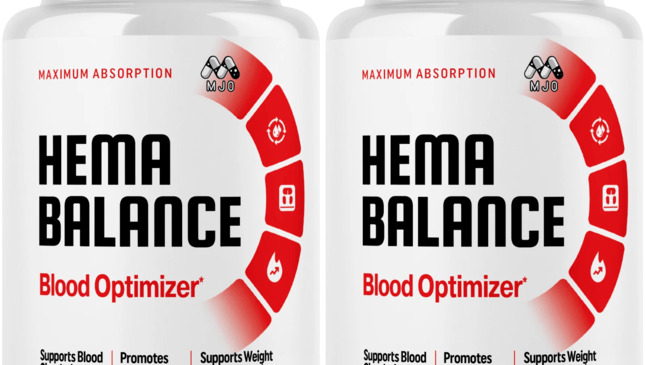
- Press release from Hema Balance
Hema Balance is a dietary supplement designed to support everyday wellness and nutritional balance. Its formulation may include ingredients intended to complement a balanced diet and healthy lifestyle.
Wilmington, DE, Oct. 12, 2026 (GLOBE NEWSWIRE) -- HemaBalance Blood Optimizer has introduced Hema Balance, a multi-ingredient dietary supplement formulated with a combination of vitamins, minerals, amino acids, botanical ingredients, and other nutritional compounds. Available in capsule form, Hema Balance brings together ingredients such as biotin, chromium, magnesium, manganese, vitamin E, zinc, vitamin C, taurine, banaba leaf, bitter melon, white mulberry, and alpha-lipoic acid.
Official Website: https://hema-balance.shop/
HemaBalance The formulation represents a combination of established micronutrients and botanical ingredients that have been investigated for different aspects of human health. Hema Balance is intended for adults interested in understanding nutritional supplementation and the role various ingredients may play in general wellness.

Blood glucose regulation is a complex physiological process involving the pancreas, liver, digestive system, muscles, and other tissues. Dietary patterns, physical activity, sleep, medications, and underlying medical conditions can all influence glucose metabolism. Although some supplement ingredients have been studied in this area, a multi-ingredient formulation should not be considered a replacement for medical evaluation or established diabetes management.
A Multi-Ingredient Formulation
Hema Balance combines several ingredient categories in one capsule-based formulation. These include vitamins and minerals, an amino acid, botanical extracts, and alpha-lipoic acid.
The listed active ingredients include biotin, chromium, magnesium, manganese, vitamin E, zinc, and vitamin C. Additional ingredients include taurine, banaba leaf, guggul resin, bitter melon, licorice root extract, yarrow flowers, cayenne pepper, white mulberry, and alpha-lipoic acid.
HemaBalance each ingredient has a distinct nutritional or scientific background. Some contribute to normal physiological functions, while others have been investigated in laboratory research or clinical studies examining their biological properties. The quantity, chemical form, extract concentration, and quality of supporting research can influence how findings should be interpreted.
For Hema Balance, the ingredient list provides a starting point for understanding the formulation. However, ingredient names alone do not establish the effectiveness of the finished product. A comprehensive assessment would also require the complete supplement label, ingredient quantities, serving instructions, manufacturing information, and product-specific evidence.
Understanding the Listed Vitamins and Minerals
Vitamins and minerals support numerous physiological processes. Obtaining adequate amounts through a balanced diet is important for general health, although individual requirements can differ according to age, health status, and nutritional intake.
Biotin
Biotin, also known as vitamin B7, is a water-soluble vitamin involved in enzyme activity related to the metabolism of carbohydrates, fats, and proteins. It contributes to normal energy metabolism and several important biochemical processes.
Food sources include eggs, nuts, seeds, and selected vegetables. Biotin deficiency is uncommon among people consuming a varied diet.
Research has explored potential relationships between biotin and glucose metabolism, but current evidence does not establish routine biotin supplementation as an effective standalone approach to blood sugar control. High doses can also interfere with certain laboratory tests, including some thyroid and cardiac tests. Individuals using Hema Balance should inform healthcare professionals about biotin supplementation before undergoing laboratory testing.
Chromium
Chromium is a trace mineral that has been investigated for its relationship with insulin activity and glucose metabolism. Research has examined chromium supplementation in different populations, including individuals with diabetes and metabolic concerns.
However, findings have been mixed, and differences in dosage, chromium form, study design, and participant characteristics make it difficult to draw broad conclusions. Chromium supplementation should not be considered a replacement for prescribed treatment.
People considering Hema Balance while taking medication that affects blood glucose should discuss the formulation with a qualified healthcare professional.
Magnesium
Magnesium participates in hundreds of enzymatic reactions and contributes to normal nerve and muscle function, energy production, and glucose metabolism. Dietary sources include legumes, whole grains, nuts, seeds, and leafy green vegetables.
Maintaining adequate magnesium intake is important for overall health. Nevertheless, including magnesium in a supplement does not establish that the finished product will produce a specific change in blood glucose levels.
The suitability of magnesium supplementation depends on dietary intake, individual health circumstances, and professional guidance. People with impaired kidney function should seek medical advice before using magnesium-containing supplements.
Manganese
Manganese is an essential trace mineral involved in enzyme activity, nutrient metabolism, bone formation, and antioxidant-related processes. It is present in foods such as whole grains, nuts, legumes, and selected vegetables.
The body requires manganese in relatively small quantities. Excessive intake can be harmful, particularly with prolonged exposure. Consumers evaluating Hema Balance should consider their overall intake from food and other supplements rather than assuming that additional minerals are always beneficial.
Vitamin E
Vitamin E is a fat-soluble vitamin that helps protect cells from oxidative damage as part of the body's antioxidant defenses. Nuts, seeds, and vegetable oils are important dietary sources.
Oxidative stress has been investigated in connection with numerous metabolic conditions, but this does not establish that vitamin E supplementation improves blood glucose regulation. High supplemental doses may increase bleeding risk, particularly among people taking anticoagulant or antiplatelet medications.
Zinc
Zinc supports immune function, wound healing, normal growth, and the activity of numerous enzymes. It also participates in physiological processes associated with nutrient metabolism.
Dietary sources include seafood, meat, dairy products, legumes, nuts, and seeds. Although zinc is essential, excessive supplementation can cause adverse effects and interfere with copper absorption.
The zinc content of Hema Balance should be evaluated alongside other supplements and dietary sources to help avoid unnecessarily high total intake.
Vitamin C
Vitamin C is a water-soluble vitamin that supports collagen formation, immune function, and antioxidant activity. It also improves the absorption of non-heme iron from plant-based foods.
Citrus fruits, berries, peppers, and broccoli are among its dietary sources. Vitamin C has established nutritional functions, but its presence in a multi-ingredient supplement should not be interpreted as proof of a specific blood sugar-related benefit.
Additional Ingredients and Their Research Background
In addition to vitamins and minerals, Hema Balance contains several botanical ingredients and other compounds that have been investigated for different biological properties. The strength of evidence varies, and research on an individual ingredient does not automatically establish the effects of the complete formulation.
Taurine
Taurine is a naturally occurring sulfur-containing compound found in the body and in foods such as fish, seafood, and meat. It participates in bile acid function, cellular fluid regulation, and normal nervous system activity.
Researchers have investigated taurine in several areas of metabolic and cardiovascular science. However, evidence concerning isolated taurine cannot automatically be applied to a multi-ingredient dietary supplement.
Banaba Leaf
Banaba is a tropical plant whose leaves contain compounds, including corosolic acid, that have attracted scientific interest. Laboratory and early clinical research has explored possible relationships between banaba extracts and glucose metabolism.
The available evidence remains limited, and study results depend on extract composition, dosage, research methods, and participant characteristics. Further evidence is needed before specific outcomes can be confidently attributed to banaba-containing supplements.
Guggul Resin
Guggul is a resin obtained from the Commiphora mukul plant and has a history of use in traditional preparations. Researchers have investigated its chemical constituents and potential effects on several biological processes, including lipid metabolism.
Evidence for specific health benefits remains variable. Guggul may cause adverse effects or interact with certain medications. Its presence in Hema Balance does not independently establish a clinically meaningful effect on glucose regulation.
Bitter Melon
Bitter melon, also known as bitter gourd, is used in food traditions and traditional health practices in several regions. It contains naturally occurring compounds that have been investigated in metabolic research.
Clinical studies have examined bitter melon in relation to glucose regulation, but findings have not been sufficiently consistent to establish it as a reliable treatment for diabetes. People using glucose-lowering medication should consult a healthcare professional before combining it with bitter melon supplements.
Licorice Root Extract
Licorice root contains naturally occurring compounds, including glycyrrhizin, although concentrations can vary between preparations. The plant has been used in traditional formulations for different purposes.
Glycyrrhizin-containing products may raise blood pressure, lower potassium levels, and contribute to fluid retention in susceptible individuals. These effects are particularly relevant for people with cardiovascular or kidney conditions and those taking certain medications.
Consumers should review the licorice extract details provided for Hema Balance and discuss its suitability with a healthcare professional when relevant.
Yarrow Flowers
Yarrow is a flowering plant traditionally used in herbal preparations. It contains a variety of plant compounds and has been investigated for several biological properties.
Clinical evidence supporting specific metabolic benefits remains limited. People with allergies to plants in the Asteraceae family may need to avoid yarrow. Professional advice is also appropriate for individuals taking medications or managing chronic health conditions.
Cayenne Pepper
Cayenne pepper contains capsaicinoids, including capsaicin, which contribute to its characteristic pungency. Researchers have investigated capsaicin in relation to sensory pathways, digestive processes, and energy-related functions.
The available research does not establish that cayenne-containing supplements deliver a particular blood glucose outcome. Individual tolerance, concentration, and dosage can influence effects, and some people may experience gastrointestinal discomfort.
White Mulberry
White mulberry, or Morus alba, contains naturally occurring compounds that have attracted scientific interest. White mulberry leaf extracts have been investigated for their possible effects on carbohydrate digestion and glucose responses.
The evidence depends on the preparation, dose, and conditions under which research was conducted. Findings from a particular extract cannot automatically be applied to every white mulberry product or to Hema Balance without appropriate product-specific evidence.
Alpha-Lipoic Acid
Alpha-lipoic acid is a compound involved in mitochondrial energy metabolism and antioxidant-related processes. It has been investigated in several clinical contexts, including research concerning diabetic peripheral neuropathy.
Evidence varies according to the condition studied, dosage, and treatment duration. Its inclusion in a supplement does not establish that the finished product controls diabetes or replaces prescribed treatment.
Alpha-lipoic acid may also influence blood glucose in some circumstances. Individuals taking glucose-lowering medication should seek professional advice before using products containing this compound.
Product Transparency and Quality Considerations
A multi-ingredient supplement can be evaluated meaningfully only when consumers have access to adequate product information. Ingredient names alone do not reveal the amount provided per serving, the concentration of botanical extracts, or whether the finished formulation has undergone independent testing.
Consumers researching Hema Balance should examine the complete packaging for serving-size instructions, quantities of listed ingredients, manufacturer information, lot identification, expiration details, allergen statements, and safety warnings.
For botanical ingredients, information about extract standardization may help clarify the formulation. Appropriate manufacturing controls, ingredient identity testing, and contaminant screening can also contribute to product quality. Any certification or testing claim should be supported by reliable documentation.
The combined formulation deserves consideration as a whole. Ingredients that have been studied individually may have overlapping effects or different safety considerations when used together. The safety profile of an individual ingredient does not automatically establish the safety of every combination or dosage.
Lifestyle Factors and Blood Glucose Health
Blood glucose regulation involves several interconnected physiological processes. Nutrition, physical activity, sleep, medication use, and underlying medical conditions can all influence metabolic health.
A balanced eating pattern may include vegetables, whole grains, legumes, suitable protein sources, and foods containing unsaturated fats. Individual dietary needs differ, particularly for people managing diabetes, kidney disease, or other chronic conditions. A registered dietitian or qualified healthcare professional can help develop an appropriate eating plan.
Regular physical activity can support overall health and influence how the body uses glucose. The suitable type and amount of activity depend on individual fitness, medical history, and existing treatment recommendations.
Adequate sleep and routine health assessments are also important considerations. People experiencing increased thirst, frequent urination, unexplained weight changes, persistent fatigue, or other possible signs of elevated blood glucose should seek medical assessment rather than relying on dietary supplements.
Hema Balance should not be used as a reason to discontinue prescribed medication, delay a medical assessment, or change an established diabetes management plan without professional guidance.
Safety Considerations
The safety of a multi-ingredient supplement depends on ingredient quantities, extract composition, individual health circumstances, and potential interactions. The complete safety profile of Hema Balance cannot be established from its ingredient list alone.
People taking diabetes medication should obtain professional advice before using supplements containing ingredients investigated for glucose-related effects. Individual monitoring may be necessary where an ingredient could influence blood glucose.
People who are pregnant or breastfeeding, those with kidney or liver conditions, and individuals with cardiovascular conditions should seek medical advice before using a multi-ingredient supplement. The licorice root component warrants particular attention for people with high blood pressure or low potassium levels.
Consumers should also consider overlapping ingredients when combining multiple nutritional products. Any unexpected symptoms or suspected interactions should be discussed promptly with a qualified healthcare professional.
An Informed Approach to Supplement Research
HemaBalance Blood Optimizer's Hema Balance formulation combines seven listed vitamins and minerals with taurine, botanical ingredients, and alpha-lipoic acid in capsule form. Its ingredients have different nutritional functions and research backgrounds, ranging from established micronutrient roles to preliminary or limited investigations of selected plant extracts.
Understanding the difference between an ingredient's biological role, preliminary research findings, and demonstrated clinical outcomes is essential when evaluating dietary supplements. Research involving an individual ingredient, particularly in laboratory studies or small clinical trials, does not establish the effectiveness of a finished product containing multiple ingredients.
Consumers can make more informed decisions by reviewing the product label, checking ingredient quantities, seeking credible scientific information, and discussing possible interactions with a healthcare professional. Transparent product information and realistic descriptions of available evidence are important parts of responsible supplement evaluation.
Hema Balance is a dietary supplement, not a substitute for a balanced diet, medical assessment, or prescribed treatment. Individuals interested in Hema Balance should consider their nutritional needs, existing health conditions, and medication use before deciding whether the formulation is appropriate for them.
This release is for informational purposes only and does not constitute medical advice. Dietary supplements have not been established as treatments for diabetes or as replacements for prescribed medication. Product-specific effectiveness and safety cannot be determined from the ingredient list alone. Consult a qualified healthcare professional before starting a new supplement, especially if you have a medical condition or take medication.
Read Also: Original Press Release on GlobeNewsWire
This article is based on a press release from Hema Balance via GlobeNewsWire. The content has been republished for informational purposes.