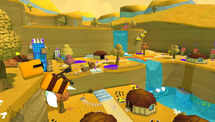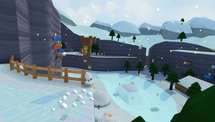
- 15 enemy types roam Super Bear Adventure's worlds, from Infected Turtles to the Giant Caterpillar mini-boss.
- Several enemies can be defeated without direct hits: Infected Rabbits die in water, and Infected Crocodiles can only be damaged by jumping on them.
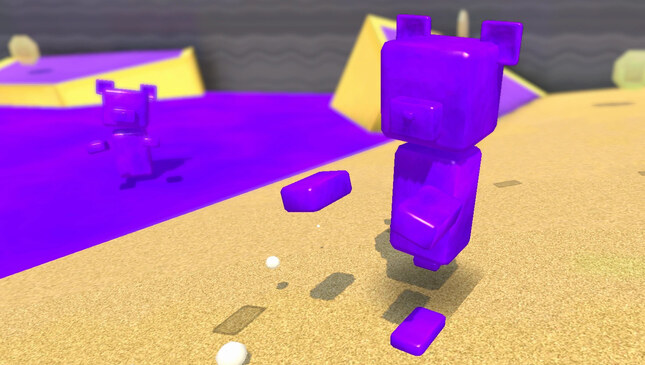
- Purple Honey Bears walk on purple honey rivers and appear in groups of 2–4.
- Cockroaches are the fastest enemy in the game — and roughly 1 in 100 carries a cookie Easter egg.
- Every enemy design traces back to the Purple Honey corruption story, except the Rats, which were already hostile before it.
Most enemies in Super Bear Adventure look tougher than they are. This bestiary lists every enemy type across the game's worlds, how each one behaves, and the fastest way to beat it.
Knowing the quirks matters more than raw reflexes: spinning shells can clear crowds, some enemies punish the wrong approach, and a few can only be beaten in one specific way. The list below is based on the community wiki's per-world enemy pages and the game's current version.
Quick answer: The fastest universal tactic is jump-attacking from height. For the special cases: lure Infected Rabbits into water, jump on Infected Crocodiles instead of hitting them, attack Infected Moose King from above, and keep distance from Purple Honey Bears that walk on honey rivers in groups.Why the Enemies Exist: the Purple Honey Story
The creatures you fight in Super Bear Adventure are not random monsters. The story of the Kingdom of Earthkwak holds that Purple Honey — a substance created by the bee scientist Shicka in a failed experiment — corrupts animals into hostile versions of themselves. That is why enemies look like discolored, purple-eyed copies of friendly NPCs: the infected turtles and rabbits of Turtletown are the same species as the villagers you rescue.
One detail breaks the pattern on purpose: the Rats of the Giant House were already hostile before the Purple Honey appeared, which the game treats as a hint that they were never part of the kingdom's community to begin with. Keeping the story frame in mind makes the bestiary easier to remember — nearly every enemy is a corrupted version of something peaceful.
Full Enemy List and How to Beat Each One
| Enemy | Where It Appears | Behavior & How to Beat It |
|---|---|---|
| Infected Turtles | Turtletown | The first enemies of the game; their spinning shells can even damage other enemies — kite them into crowds. |
| Infected Rabbits | Turtletown | Fast on land, but they die instantly if lured into water. |
| Bees | Four different worlds | Red eyes; usually patrol in the air — jump-attack or wait for their dive. |
| Infected Moose | Snow regions | 2 HP and enrage into a red charge once damaged — finish them quickly. |
| Infected Penguins | Snow regions | Slide at speed; sidestep and hit from behind. |
| Infected Moose King | Snow regions | Large variant; hit it from height, not head-on. |
| Sand Bears | Beemothep Desert (also sofa variants in Giant House) | Ambush from under the sand — keep moving and strike after they surface. |
| Infected Fennecs | Beemothep Desert | Jump backwards to dodge attacks — time your hit after their dodge. |
| Infected Crocodiles | Water areas | Can only be damaged by jumping on them; direct hits do nothing. |
| Rats | Giant House | Hostile even before the Purple Honey; standard jump-attack works. |
| Cockroaches | Giant House | Extremely fast; about 1 in 100 carries a cookie — a rare collectible Easter egg. |
| Purple Honey Bears | Purple honey rivers | Walk on the honey surface and appear in groups of 2–4 — pull one at a time. |
| Giant Caterpillar | Hive's Backyard (mini-boss) | 3 HP with a fixed attack pattern that speeds up with each hit. |
| Snow Bears | Mole Mines | Underground variant of the bear enemies; standard tactics apply. |
| Bats | Mole Mines | Small hitbox and erratic flight — use wide swings or wait for the hover. |
Combat Tricks the Game Does Not Explain
Three mechanics turn fights in your favor. First, height beats everything: jump attacks are the game's universal answer, and two enemies (Infected Moose King, Infected Crocodiles) essentially require them. Second, enemy attacks can hurt other enemies — the Infected Turtle's spinning shell is the clearest example, so steering one enemy into a crowd is often faster than fighting the crowd. Third, the environment fights for you: water kills Infected Rabbits, sand hides and reveals Sand Bears on a rhythm, and narrow paths funnel fast enemies like Cockroaches into predictable lines.
Health management is simple because most common enemies have 1–2 HP. The danger comes from status behavior instead: Infected Moose enrage when damaged, Fennecs dodge backward into your swing arc, and Purple Honey Bears punish over-pulling. When a fight goes wrong, reset by moving — most enemies leash back to their patrol.
Mini-Boss Spotlight: the Giant Caterpillar
The Giant Caterpillar in Hive's Backyard is the game's dedicated mini-boss and the only non-boss enemy with a named multi-hit pattern. It has 3 HP, telegraphs a fixed attack sequence, and speeds up after every hit you land — so the last hit is always the most dangerous. The reliable approach is to bait one attack cycle, land a single hit during its recovery, and back out instead of greedily chaining hits.
It sits in the Purple Honey story as well: the Hive's corruption is the most concentrated in the game, which is why the bee-themed enemies and this oversized larva appear together in one area.
FAQ (Frequently Asked Questions)
The community wiki documents 15 enemy types across the main worlds and the mole levels, from Infected Turtles to the Giant Caterpillar mini-boss. Infected Crocodiles can only be damaged by jumping on them. Infected Moose King is best beaten from height, and Infected Rabbits can simply be lured into water. Corrupted bears that can walk on purple honey rivers. They appear in groups of 2 to 4, so pull one at a time to avoid being swarmed. Yes. Cockroaches are the fastest enemies in the game, and roughly 1 in 100 carries a cookie as a hidden Easter egg. The Rats of the Giant House were already hostile before the Purple Honey corruption began, unlike every other enemy family in the game.1. How many enemy types are in Super Bear Adventure?
2. Which enemies cannot be beaten with normal hits?
3. What are Purple Honey Bears?
4. Is the cookie-carrying cockroach real?
5. Why are the Rats different from other enemies?
Conclusion
Super Bear Adventure's bestiary is small but deliberately varied: one rule (jump attacks) covers most fights, while a handful of enemies force you to read their behavior first. Once you know which enemies react to water, height, and their own allies, the worlds stop feeling crowded.
Use the table as a checklist while exploring — recognizing an enemy family from its world is usually enough to pick the right counter before the fight even starts.
- Jump attacks from height are the universal counter; Infected Crocodiles and the Moose King practically require them.
- Use the environment: water kills Infected Rabbits, and spinning turtle shells damage other enemies.
- Purple Honey Bears come in groups of 2–4 — pull one at a time.
- The Giant Caterpillar mini-boss speeds up with every hit: one hit per attack cycle is the safe rhythm.
Sources and references
- Super Bear Adventure Wiki — Turtletown/Enemies: per-world enemy behavior and stats.
- Super Bear Adventure Wiki — Chests & Collectibles: emote and cosmetic chest rules.
- Super Bear Adventure — Official Changelog: version history and gameplay fixes.