
- Nikkei Asia puts off-balance-sheet AI obligations at five US tech giants at about $3.2 trillion.
- The figure rose about 90% in six months, nearly doubling.
- The five companies: Alphabet, Microsoft, Amazon, Meta and Oracle.
- Nikkei's July 2026 study had the total at about $1.65 trillion.
- Commitments and obligations now equal roughly 80% of assets.
The AI spending boom is leaving a growing bill that does not show up on the balance sheets most investors read first. Nikkei Asia reports that off-balance-sheet AI obligations at five US tech giants now total about $3.2 trillion.
The report, published at 05:02 Japan time on Wednesday, November 4, 2026, says the figure has almost doubled in six months, with investors increasingly alarmed by seemingly unending AI spending.
Quick answer: According to a Nikkei Asia data compilation published November 4, 2026, off-balance-sheet AI obligations at Alphabet, Microsoft, Amazon, Meta and Oracle rose about 90% in six months to roughly $3.2 trillion. They consist mainly of data center leases and multi-year purchase contracts for chips, servers and computing capacity disclosed in financial statement footnotes rather than as debt on the balance sheet.Key Figures from the Nikkei Report
| Item | Details |
|---|---|
| Off-balance-sheet AI obligations (5 companies) | About $3.2 trillion |
| Increase over six months | About 90% (nearly double) |
| Nikkei study, July 2026 | About $1.65 trillion |
| Share of assets | Commitments and obligations equal about 80% of assets |
| Meta (July study) | About $420 billion, nearly triple its reported debt |
Nikkei compiled the figure from company data. Newsquawk stresses it is a compiled estimate rather than a disclosed figure.
What Is Off-Balance-Sheet AI Debt?
This is not bank loans or bonds. In the AI context it means data center lease commitments and multi-year purchase contracts for chips, servers and computing capacity. These obligations are disclosed in footnotes to filings with the US Securities and Exchange Commission (SEC) but do not appear as debt on the headline balance sheet.
In its July study, Nikkei identified data center leases and GPU supply contracts as the main drivers of rising liabilities at Meta and Oracle.
Why Investors Are Getting Nervous
The issue is visibility. When commitments this large stay off the balance sheet, it is harder for investors to judge how heavy the burden would be if demand for AI services falls short of expectations.
Nikkei's July study found hidden debt at the five companies had grown eightfold in roughly four years, exceeding their actual debt. In the roughly four months since then, the figure has nearly doubled again.
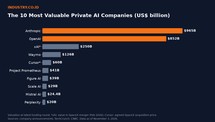
The same pattern appears at AI labs themselves. Anthropic disclosed about $895.4 billion in purchase and lease commitments in its amended IPO filing, almost all of it for compute and infrastructure.
What It Means for Asia
The same companies are building or leasing data center capacity across Asia, including Southeast Asia. If investor pressure slows spending, regional expansion plans could be reviewed. As long as spending continues, demand for land, power and network capacity for data centers stays high.
FAQ (Frequently Asked Questions)
About $3.2 trillion across Alphabet, Microsoft, Amazon, Meta and Oracle, up about 90% in six months, according to Nikkei Asia. No. It consists of lease commitments and long-term purchase contracts for chips, servers and data centers disclosed in financial statement footnotes. Nikkei's study published July 21, 2026 put it at about $1.65 trillion. A per-company breakdown of the new figure has not been made publicly available. In the July study, Meta stood at about $420 billion, nearly triple its reported debt. Because obligations this large do not appear on the main balance sheet, financial risk is harder to assess if AI demand slows.1. How much hidden AI debt does Big Tech have?
2. Is this debt in the sense of loans?
3. What was the previous figure?
4. Which company has the most?
5. Why does it matter?
Conclusion
Nikkei's report shows the cost of the AI build-out goes beyond capital spending and into long-term commitments buried in footnotes. At about $3.2 trillion, the key question for investors is whether AI revenue can grow as fast as these obligations.
- Off-balance-sheet AI obligations at 5 US tech giants: ~$3.2 trillion.
- Up ~90% in six months.
- July 2026: ~$1.65 trillion.
- Mostly data center leases and long-term chip/server contracts.
- A Nikkei compiled estimate, not a company-disclosed figure.