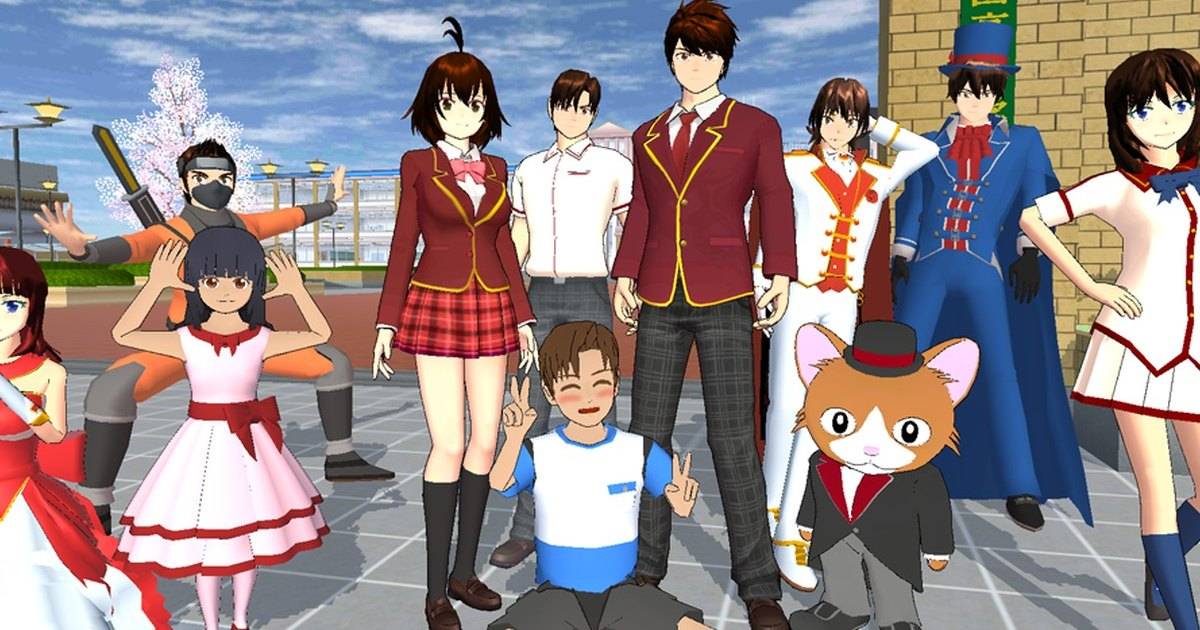
There is a difference between arriving at an amusement park and actually enjoying a day there. In Sakura School Simulator, it is easy to rush from one attraction to another, take a quick screenshot and leave without much of a story. A better approach is to treat the trip like a real outing: choose a meeting place, decide what everyone wants to ride and leave time for a food break.
The amusement park is not a made-up location. Garusoft names riding its attractions among the activities available in the game. What follows, however, is a player-created itinerary. It is not a timed event issued by the developer, and there is no promise that finishing the route will unlock rewards. It is simply a way to make an open-ended sandbox afternoon more memorable.
Highlights
- Garusoft confirms that riding amusement park attractions is possible.
- A day-plan format turns a collection of rides into a small story.
- The schedule below is suggested play order, not an official event timetable.
- Simple group roles and screenshots can work without custom mods or viral IDs.
Quick answer: Choose a character, travel to the amusement park, visit a few attractions at an easy pace, plan a food break and finish with a final photo or short scene. Treat the outing as roleplay, not a hidden quest.
Table of Contents
- Begin With a Reason to Visit
- Use a Four-Stop Itinerary
- Plan Around the Rides You Can Actually Access
- Make Food and Waiting Part of the Fun
- Film It Without Turning the Day Into Work
- A No-Mod Challenge for Your Next Visit
- Frequently Asked Questions
- Final Thoughts
Begin With a Reason to Visit
“We are going to the park” is a setting, not yet a story. Give your character one small motivation: celebrating an exam result, cheering up a friend, or showing a new student around town. This tiny detail makes the day easier to organize. Instead of visiting random attractions, you can choose the rides that fit the mood.
A nervous character might agree to try a ride only after a quieter stop. An excited friend might want to go straight to the biggest attraction. If you are playing alone, you can still write those personalities into captions or switch among the playable characters supported by your version. There is no need to claim that each NPC has a dedicated amusement-park questline.
Use a Four-Stop Itinerary
Start with a meeting point close to the entrance. Spend a moment establishing the setting, then move to a calm attraction. Leave the most energetic ride for the middle of the visit, when the story has had time to build. End with a food or rest stop, followed by one final wide shot.
Do not become too attached to an exact clock time. Your installed version, chosen routes and the amount of filming you do will change how long each stop takes. The sequence is the useful part: arrival, anticipation, main event and a relaxed ending.
| Stage | Roleplay purpose | Suggested shot |
|---|---|---|
| Arrival | Introduce the outing | Wide view of the park |
| First attraction | Ease into the day | Character approaching ride |
| Main ride | Big reaction or challenge | Short action shot |
| Break | Give characters time to talk | Seated or standing group |
| Departure | Close the story | Final photo or sunset view |
Plan Around the Rides You Can Actually Access
Online videos sometimes include rebuilt amusement parks, custom objects or footage from older versions. That can make it difficult to tell what is part of the normal world and what has been imported. Before planning an elaborate scene, explore the attractions on your own device and note which ones your character can use.
If one ride is not behaving as expected, do not force the story to depend on it. Replace it with another attraction or turn the delay into a funny plot point. A good outing guide should be flexible enough to survive an unavailable pose, an awkward camera angle or an unexpectedly crowded screen.
Make Food and Waiting Part of the Fun
Rides provide action, but short pauses are where characters begin to feel like friends. Stage a conversation while the group waits, or let somebody argue playfully about which attraction should come next. A food break can divide the day into two halves without requiring a dramatic plot twist.
The game has places to eat and buy items, and Garusoft explicitly lists shopping and eating among its everyday activities. Exact menus and prices should be checked inside the current build rather than guessed from a video. You do not need to purchase an expensive dish just to make the scene believable; an ordinary snack and a good line of dialogue are enough.
Film It Without Turning the Day Into Work
Record only the important moments: arriving, choosing an attraction, reacting to the ride and heading home. A thirty-second reel may communicate the entire day better than ten minutes of unedited wandering. The most useful clip is often the short transition between scenes, because it tells the viewer where the characters are going next.
Avoid switching camera direction every second. Let a ride move through the frame, hold the shot briefly, and then cut. If a character’s clothing is central to your story, capture one clear close-up near the beginning rather than checking the outfit every time you change locations.
A No-Mod Challenge for Your Next Visit
On the next outing, give yourself three simple rules: visit three different attractions or areas, use no imported builds, and finish with a group photo or a captioned memory. You can also try a “quiet day” variation where the characters choose only relaxed stops.
These are editorial challenges rather than built-in achievements. That is part of their appeal: you can adapt them to what is available in your game. The real goal is not to collect a nonexistent badge. It is to give a familiar place a fresh purpose each time you return.
Frequently Asked Questions
Is the amusement park official in Sakura School Simulator?
Yes. Garusoft’s game description includes riding amusement park attractions among the available activities.
Does visiting every ride give a reward?
No reward for completing this suggested itinerary is claimed; it is a player-made challenge.
Do I need to import an amusement park Props ID?
No. The suggested outing uses attractions you can find in the base game.
Can I create a family day in solo mode?
Yes, as a roleplay story using available characters and captions. This does not imply an official family progression system.
Final Thoughts
Sakura School Simulator’s amusement park works best when you give the day a little shape. A reason to visit, a few carefully chosen rides, a break and a final memory can turn a familiar location into a complete outing. Keep the plan flexible, and let the characters — not the checklist — decide what feels fun.
Sources and Verification
Game mechanics mentioned here are based on Garusoft’s store description and dated release notes. Original challenges, filming plans and sample scenarios in this article are editorial ideas, not developer-issued quests. The names and placement of menu controls can vary across device versions.
- Garusoft on Apple App Store
- Garusoft on Google Play