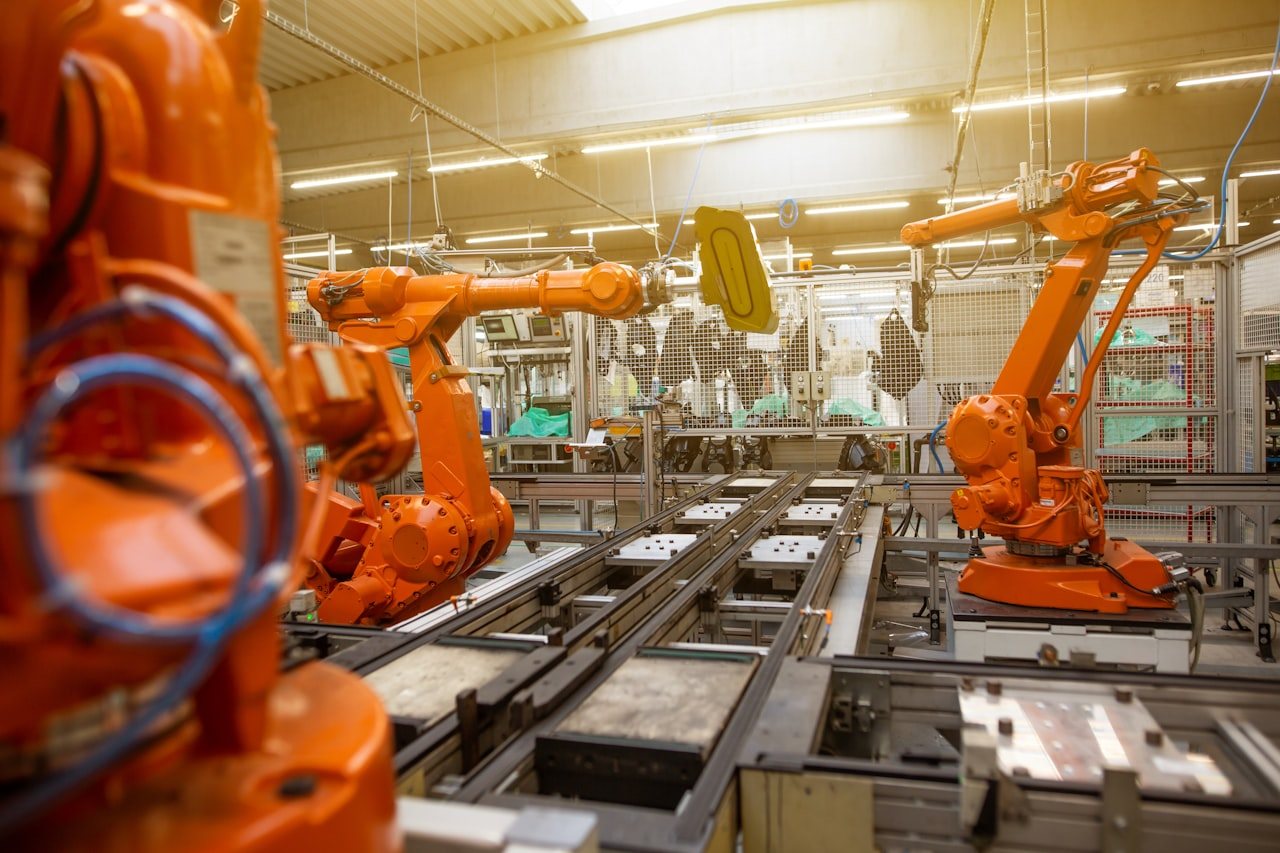
Industry 4.0 — often called the fourth industrial revolution — describes the merging of physical production with digital technology. Where earlier revolutions were powered by steam, electricity, and computers, this new wave is driven by connected machines, real-time data, and intelligent automation working together inside the “smart factory.”
The Building Blocks of Industry 4.0
Several technologies combine to make a factory truly smart:
- The Industrial Internet of Things (IIoT) connects machines and sensors so they can share data continuously.
- Big data and analytics turn that data into insights about quality, efficiency, and maintenance.
- Robotics and automation handle repetitive or dangerous tasks with speed and precision.
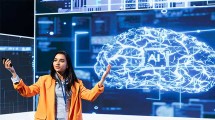
- Artificial intelligence helps machines learn, adapt, and make decisions.
- Digital twins create virtual models of equipment to test changes safely.
What Changes on the Factory Floor
In a smart factory, machines communicate with each other and with central systems. Sensors can detect when a part is wearing out and schedule maintenance before a breakdown happens — an approach known as predictive maintenance. Production lines can reconfigure themselves to switch between products, making it possible to offer greater customisation without losing efficiency.
The Benefits and the Challenges
The rewards are significant: higher productivity, fewer defects, lower downtime, and safer working conditions. Yet the transition is not automatic. Companies must invest in new equipment, upgrade their networks, and — most importantly — train workers to operate alongside intelligent systems. Cybersecurity also becomes critical when factories are fully connected.
A Human-Centred Future
Despite the focus on machines, Industry 4.0 is ultimately about people. Automation removes dull and dangerous tasks, freeing workers to focus on problem-solving, creativity, and oversight. The most successful factories will be those that combine the precision of machines with the judgement and skill of a well-trained workforce.