Indonesia's electric vehicle industry is rapidly transforming from an emerging market into a global powerhouse, driven by the country's abundant nickel reserves, aggressive government incentives, and a surge in foreign direct investment. For international investors seeking high-growth opportunities in the green energy transition, Indonesia presents a compelling case as Southeast Asia's EV hub with projected market revenues exceeding $8 billion by 2030. This comprehensive analysis examines the current landscape, key investment opportunities, and strategic considerations for capitalizing on Indonesia's electric vehicle revolution in 2026.
The State of Indonesia's EV Industry in 2026
Indonesia has positioned itself as the undisputed leader in Southeast Asia's electric vehicle ecosystem. The country's EV market has experienced exponential growth, with electric motorcycle sales surging by over 200% year-on-year in 2025, while electric car adoption is accelerating rapidly across major urban centers including Jakarta, Surabaya, and Bandung.
The government's ambitious target of producing 600,000 electric cars and 2.5 million electric motorcycles annually by 2030 has catalyzed massive industrial development. As of early 2026, Indonesia hosts multiple operational EV assembly plants, with several more under construction or in advanced planning stages. The convergence of policy support, natural resource advantages, and growing domestic demand creates an investment environment that few other markets can match.
Key indicators of the industry's maturity include:
- Production capacity: Over 150,000 EV units assembled annually across multiple facilities in West Java, Central Java, and East Java provinces
- Market penetration: EV sales accounting for approximately 8% of total automotive sales in 2025, up from less than 2% in 2023
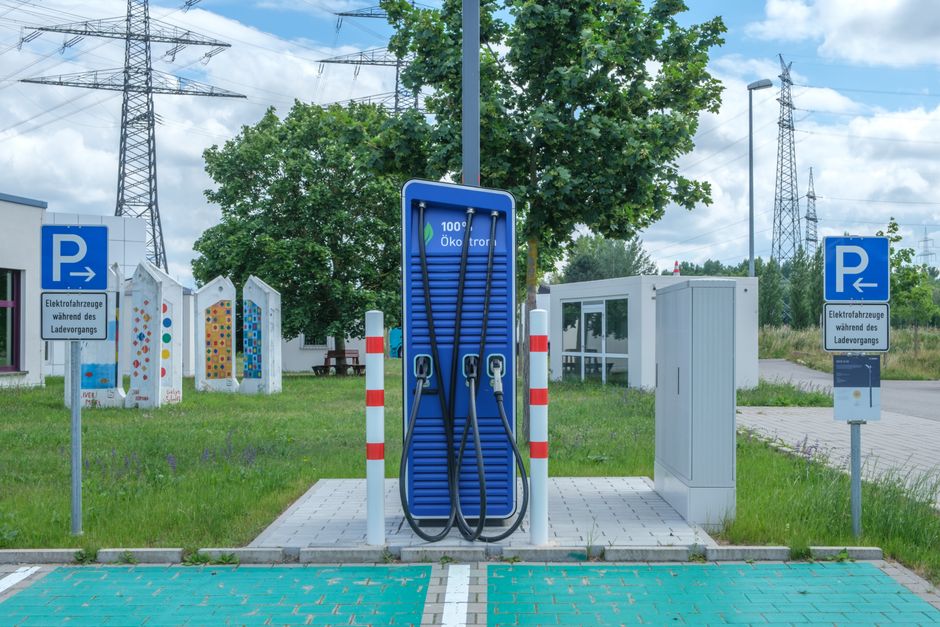
- Charging infrastructure: More than 5,000 public charging stations operational nationwide, with plans to reach 25,000 by 2028
- Foreign investment: Over $12 billion committed to EV-related projects from companies headquartered in China, South Korea, Japan, and the United States
Why Indonesia Dominates the EV Battery Supply Chain
The foundation of Indonesia's EV advantage lies beneath its soil. The archipelago holds approximately 21% of the world's known nickel reserves — the single most critical mineral for modern lithium-ion battery cathodes. This geological endowment gives Indonesia unprecedented leverage in the global EV supply chain.
Nickel is essential for increasing battery energy density, which directly determines an electric vehicle's range. High-nickel cathode chemistries (NMC 811 and NCA) require significant quantities of Class 1 nickel, precisely the type Indonesia is increasingly capable of producing through its downstream processing initiatives.
The government's nickel export ban, first implemented in January 2020, forced the development of domestic smelting and refining capacity. This policy has been remarkably successful:
- Processing investment: Over $30 billion in nickel smelter investments since 2020
- Battery-grade nickel: Indonesia now produces nickel matte and mixed hydroxide precipitate (MHP) suitable for battery cathode production
- Integrated supply chain: From mining to finished battery cells, the entire value chain is being established within Indonesian territory
- Cost advantage: Proximity to raw materials provides 15-20% cost savings compared to overseas processing
Key Investment Opportunities in Indonesia's EV Sector
1. Battery Cell Manufacturing
The most significant investment opportunity lies in battery cell production. Indonesia has attracted commitments from global battery giants including CATL, LG Energy Solution, and Samsung SDI. However, substantial capacity gaps remain, creating opportunities for new entrants and supporting industries.
Investment landscape:
- The Indonesia Battery Corporation (IBC) serves as the national champion, partnering with international players for gigafactory development
- Current planned capacity exceeds 140 GWh across multiple projects in the Batang Industrial Estate (Central Java) and Karawang (West Java)
- Government incentives include tax holidays of 10-20 years, import duty exemptions on capital goods, and accelerated depreciation
- Minimum investment thresholds start at approximately $50 million for battery component manufacturing
2. EV Assembly and Manufacturing
Both established automakers and new entrants are establishing EV assembly operations in Indonesia. The market is segmented between electric motorcycles (the volume leader), electric cars (growing rapidly), and electric commercial vehicles (an emerging niche).
Notable developments include:
- Chinese manufacturers: BYD, Wuling, Chery, and NETA have all launched or are expanding Indonesian production
- Korean and Japanese players: Hyundai's IONIQ 5 is assembled locally, while Toyota and Honda are accelerating their EV programs
- Domestic startups: Companies like Mobil Anak Bangsa Indonesia (MABI) are developing indigenous electric bus platforms
- Two-wheeler segment: Gesits, Viar, and multiple Chinese brands are competing aggressively in the electric motorcycle space
3. Charging Infrastructure
Indonesia's charging infrastructure buildout represents a massive opportunity, particularly in second- and third-tier cities where coverage remains sparse. The government has mandated that new commercial buildings allocate a minimum percentage of parking spaces for EV charging.
- Public charging: PLN (state electricity company) and private operators are deploying fast-charging networks along major highways
- Home charging solutions: Growing demand for residential charging systems and smart energy management
- Battery swapping: Particularly relevant for the electric motorcycle segment, with companies like Gogoro entering the market
- Investment required: An estimated $3-5 billion needed to build adequate charging infrastructure through 2030
4. Component Manufacturing and Supply Chain
Beyond batteries and vehicles, there are extensive opportunities in the component supply chain:
- Electric motors and controllers: Limited local production capacity creates import substitution opportunities
- Thermal management systems: Critical for battery performance in Indonesia's tropical climate
- Lightweight materials: Aluminum and composite components for EV body structures
- Recycling and second-life batteries: Emerging sector with strong government support and ESG investment appeal
Government Incentives and Policy Framework
Indonesia's government has implemented one of the most comprehensive EV incentive packages in Southeast Asia. The policy framework is designed to attract foreign investment while building domestic industrial capability.
Fiscal incentives:
- Tax holiday of 100% corporate income tax exemption for 5-20 years, depending on investment size and location
- Import duty exemption on machinery, equipment, and raw materials for EV manufacturing
- VAT exemption on CKD (completely knocked down) EV imports during the industry buildout phase
- Reduced luxury tax rates for electric vehicles compared to conventional combustion engine vehicles
- Super-deduction tax incentives for R&D activities conducted in Indonesia
Non-fiscal incentives:
- Streamlined investment licensing through the Online Single Submission (OSS) system
- Special Economic Zones (SEZs) with dedicated infrastructure for EV manufacturing
- Guaranteed electricity supply at competitive industrial rates
- Government-backed vocational training programs for EV industry workers
Strategic Considerations for Foreign Investors
Regulatory Environment
Understanding Indonesia's regulatory landscape is essential for successful investment. Key considerations include:
- Foreign ownership: Up to 100% foreign ownership is permitted for EV manufacturing investments exceeding $10 million (or $7 million in designated special economic zones)
- Local content requirements: The government mandates increasing local content (TKDN) percentages, currently 40% for electric vehicles, rising to 60% by 2027
- Environmental compliance: AMDAL (environmental impact assessment) requirements apply to manufacturing facilities and mining operations
- Labor regulations: Recent labor law reforms have improved flexibility, but compliance with minimum wage and social security requirements remains important
Risk Factors
While the opportunity is substantial, investors should carefully evaluate several risk factors:
- Policy uncertainty: Indonesia's regulatory environment can shift with changes in government priorities, though EV policy has enjoyed bipartisan support
- Infrastructure gaps: Power grid capacity in some industrial areas may lag demand, though PLN is investing heavily in upgrades
- Currency exposure: The Indonesian rupiah can experience volatility; hedging strategies are recommended for large capital commitments
- Competition: The market is becoming increasingly competitive, particularly from well-capitalized Chinese manufacturers
- ESG scrutiny: Nickel mining practices face increasing international scrutiny regarding environmental and labor standards
Market Entry Strategies
Foreign investors typically pursue one of several market entry approaches:
- Joint ventures: Partnering with established Indonesian conglomerates provides market access, regulatory navigation, and local distribution networks
- Greenfield investment: Establishing wholly-owned facilities offers maximum control but requires significant upfront capital and local knowledge
- Acquisition: Purchasing existing Indonesian companies or assets can accelerate market entry, though suitable targets are becoming more expensive
- Public-private partnerships: Government-backed infrastructure projects, particularly in charging networks, offer structured risk-sharing arrangements
The Role of Indonesia in the Global EV Transition
Indonesia's significance in the global EV industry extends far beyond its domestic market. The country is increasingly positioned as a critical node in the worldwide electric vehicle supply chain, serving as both a raw material supplier and a manufacturing hub for export markets.
Several factors amplify Indonesia's global importance:
- ASEAN market access: Manufacturing in Indonesia provides preferential access to the broader ASEAN market of 670 million consumers through regional trade agreements
- EU trade considerations: Indonesia is negotiating improved trade terms with the European Union, which could enhance export competitiveness
- Supply chain diversification: Global automakers are actively diversifying away from concentrated China-dependent supply chains, benefiting Indonesia
- Critical mineral partnerships: Indonesia has signed critical mineral cooperation agreements with the United States and other nations, potentially qualifying Indonesian-sourced materials for IRA-related subsidies
Outlook and Projections for 2026-2030
Industry analysts project continued robust growth for Indonesia's EV sector through the end of the decade:
- Market size: Indonesia's EV market is projected to reach $8-12 billion in annual revenue by 2030
- Production volume: Annual EV production capacity expected to exceed 500,000 units by 2028
- Battery output: Multiple gigafactories reaching full production, positioning Indonesia as one of the world's top five battery cell producers
- Employment: The EV industry is expected to create 200,000-300,000 direct jobs by 2030
- Export potential: Indonesian-manufactured EVs and components increasingly targeting ASEAN, Australian, and South Asian export markets
Frequently Asked Questions
What is the minimum investment required to enter Indonesia's EV manufacturing sector?
The minimum foreign direct investment for establishing a manufacturing operation in Indonesia is generally $10 million for most EV-related activities, though this can be reduced to $7 million in designated Special Economic Zones. For smaller component manufacturing or service-related investments, thresholds may be lower. The Indonesia Investment Coordinating Board (BKPM) provides specific guidance based on business classification codes (KBLI).
Can foreign companies own 100% of an EV manufacturing operation in Indonesia?
Yes, Indonesia permits 100% foreign ownership for EV manufacturing investments that meet the minimum capital requirements. The government's Positive Investment List, updated in 2021 and subsequently revised, classifies EV manufacturing as a sector fully open to foreign investment. However, investors should be aware that local content requirements (TKDN) will necessitate engagement with Indonesian suppliers and partners within the supply chain.
How does Indonesia's nickel export ban affect EV battery investment opportunities?
The nickel export ban, implemented in January 2020, requires that nickel ore be processed domestically before export. This policy has created enormous investment opportunities in downstream processing, including nickel smelters, refineries, and battery-grade material production facilities. For EV battery investors, this means access to competitively priced, domestically processed nickel inputs — a significant cost and supply chain advantage for battery cell manufacturing operations located in Indonesia.
What are the key risks for foreign investors in Indonesia's EV industry?
Primary risks include regulatory policy shifts, currency fluctuations (Indonesian rupiah volatility), infrastructure constraints in some industrial zones, intense competition from well-funded Chinese manufacturers, and increasing ESG scrutiny of nickel mining practices. Mitigation strategies include partnering with experienced local entities, securing long-term government guarantees where available, implementing currency hedging, and adopting industry-leading environmental and social governance standards throughout the supply chain.