
5G is the fifth generation of mobile network technology, and it represents far more than a simple speed upgrade. While faster downloads are the most visible benefit, the real significance of 5G lies in how it enables entirely new applications — from smart factories to connected vehicles — that earlier networks could not support.
Three Things That Make 5G Different
- Greater speed – data rates many times faster than 4G, making high-definition streaming and large downloads almost instant.
- Lower latency – the delay between sending and receiving data drops dramatically, which is essential for real-time applications.
- Massive capacity – the ability to connect huge numbers of devices in a small area without congestion.
How the Technology Works
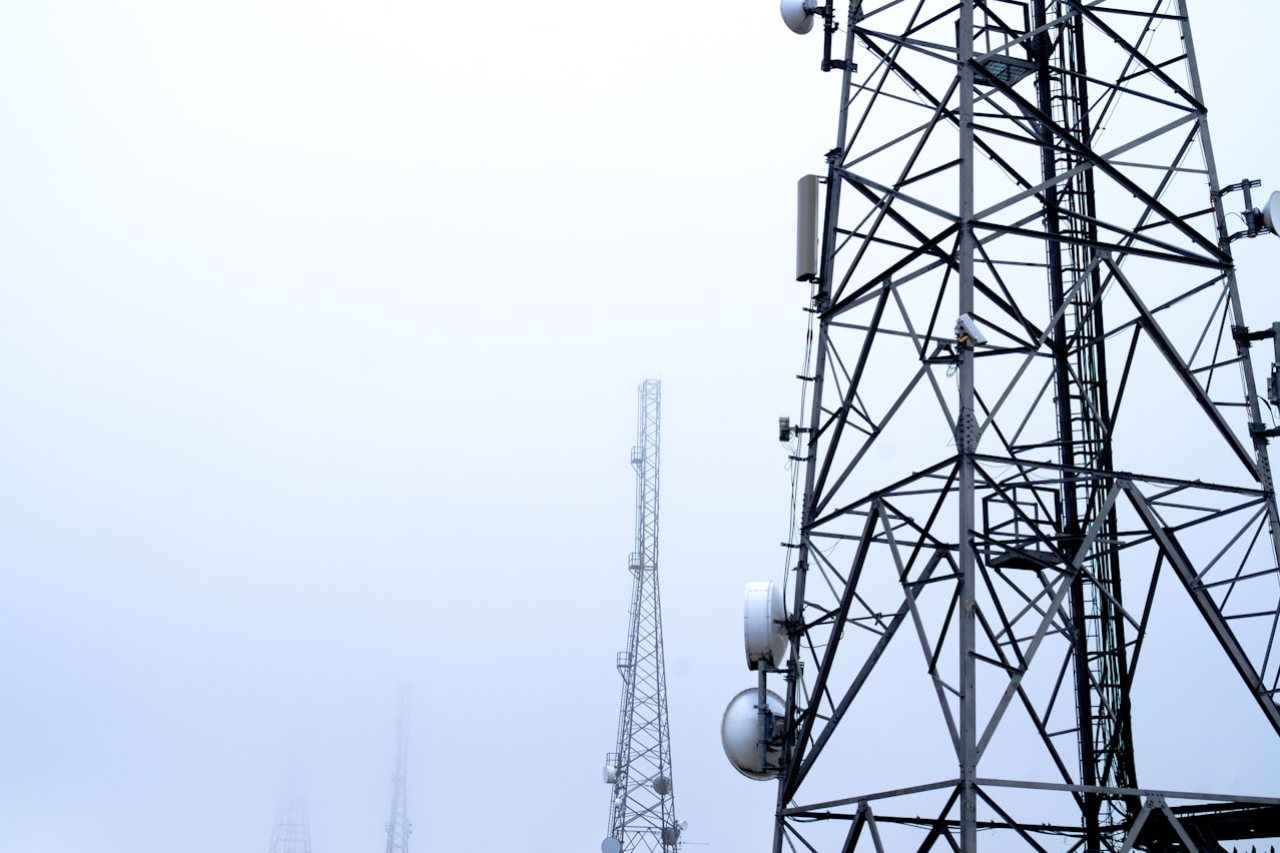
5G achieves these gains by using a wider range of radio frequencies, including high-frequency bands that carry enormous amounts of data over short distances. To cover these areas, networks use many small cell sites alongside traditional towers. Advanced antenna techniques focus signals directly toward devices, improving both speed and reliability.
Why It Matters Beyond the Phone
The combination of speed, low latency, and capacity unlocks possibilities across the economy. Factories can run fleets of connected sensors and robots. Hospitals can support remote diagnostics. Cities can manage traffic and energy more intelligently. Because so many devices can connect at once, 5G is a key enabler of the Internet of Things, where everyday objects share data to work smarter.
Building the Digital Foundation
For developing and emerging economies, reliable high-speed connectivity is increasingly a prerequisite for growth. 5G can help close digital gaps, support new industries, and improve public services. Like roads and electricity before it, robust digital infrastructure is becoming one of the basic building blocks of a modern, competitive economy.