
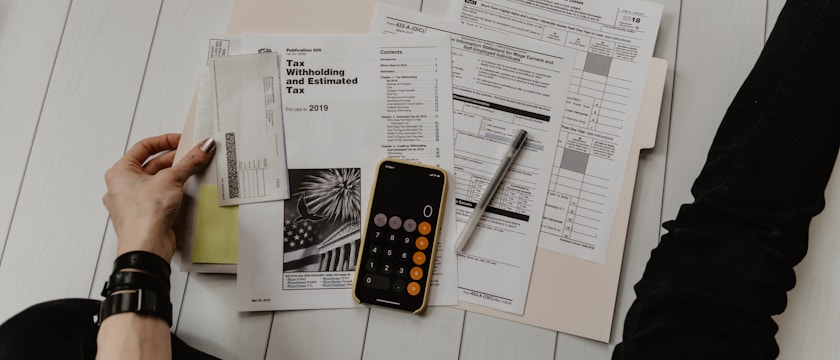
- A monthly budget is the foundation of all financial success — people who budget are 80% more likely to report feeling in control of their finances
- The 50/30/20 rule is the simplest budgeting framework: 50% needs, 30% wants, 20% savings — works for any income level
- In Southeast Asia, where average household spending is rising 5-8% annually, budgeting helps you stay ahead of inflation
- Free budgeting apps like Money Lover, Wallet, and Spendee make tracking expenses effortless with automatic bank sync
- You do not need to be good at math — a budget is simply a plan for where your money goes before you spend it
Do you ever reach the end of the month and wonder where your money went? You are not alone. Studies show that most people underestimate their spending by 20-30% — meaning they think they spend Rp 3 million a month when they actually spend Rp 4 million. A monthly budget solves this problem by giving every dollar a purpose.
This guide teaches you how to create a practical monthly budget from scratch, even if you have never budgeted before. No spreadsheets required, no complicated math — just a simple system that works.
What Is a Monthly Budget?
A monthly budget is a plan that tells your money where to go before you spend it. It answers three simple questions:
- How much comes in? Your salary, freelance income, side hustle earnings, and any other money you receive each month
- How much goes out? Your rent, food, transportation, bills, subscriptions, entertainment, and savings
- Where does the gap go? The difference between income and expenses — ideally directed toward savings, debt repayment, or investments
A budget is not about restricting yourself. It is about being intentional. When you budget, you still spend money on things you enjoy — you just make sure the important things (savings, bills, emergencies) are covered first.
Why Budgeting Matters
- You stop living paycheck to paycheck: A budget helps you see where money leaks happen and plug them before they drain your account
- You reach goals faster: Want to travel, buy a house, or retire early? A budget turns vague wishes into concrete monthly targets
- You reduce financial stress: Knowing you can cover all your bills this month — and next month — brings peace of mind that no amount of money can buy
- You prepare for emergencies: Budgeting for savings means you have money when unexpected expenses hit, instead of turning to credit cards or loans
- You make better decisions: When you see that you spend Rp 800.000 a month on food delivery, you can consciously decide if that is worth it or if you would rather redirect some of that to savings
Step 1: Calculate Your Total Income
Write down all money coming in this month:
- Salary: Your take-home pay after taxes and deductions
- Side income: Freelance work, selling items, tutoring, part-time jobs
- Passive income: Rental income, dividends, interest from savings
- Irregular income: If your income varies (freelancer, gig worker), use the average of the last 3 months
Example: If your salary is Rp 5.000.000 and you earn Rp 1.000.000 from freelance work, your total monthly income is Rp 6.000.000.
Step 2: Track Your Current Spending
Before creating a budget, you need to know what you actually spend. For one month, track every expense:
- Use an app: Apps like Money Lover or Wallet automatically track spending when linked to your bank account
- Use your bank statement: Download your last 3 months of bank statements and categorize every transaction
- Write it down: Keep a small notebook or use your phone's notes app to record every purchase
Be honest. Include the daily coffee (Rp 25.000), the online shopping impulse buy (Rp 150.000), and the weekend outing (Rp 200.000). These small amounts add up to thousands of dollars per year.
Step 3: Categorize Your Expenses
Divide your expenses into two categories:
Fixed Expenses (Same Every Month)
- Rent or mortgage
- Internet and phone bill
- Insurance premiums
- Loan payments (car, motorcycle, education)
- Streaming subscriptions (Netflix, Spotify)
Variable Expenses (Changes Monthly)
- Food and groceries
- Transportation (fuel, ride-hailing, public transit)
- Utilities (electricity, water)
- Entertainment (dining out, movies, games)
- Shopping (clothes, gadgets, personal care)
- Health (medicine, doctor visits)
Step 4: Choose a Budgeting Method
Method 1: The 50/30/20 Rule (Simplest)
Divide your after-tax income into three buckets:
- 50% for Needs: Rent, food, utilities, transportation, insurance, minimum debt payments
- 30% for Wants: Dining out, entertainment, shopping, hobbies, subscriptions
- 20% for Savings: Emergency fund, investments, extra debt payments, retirement
Example: Income Rp 6.000.000 — Needs: Rp 3.000.000, Wants: Rp 1.800.000, Savings: Rp 1.200.000
Method 2: Zero-Based Budget (Most Detailed)
Assign every rupiah a job until your income minus expenses equals zero:
- Rent: Rp 1.500.000
- Food: Rp 1.200.000
- Transport: Rp 500.000
- Utilities: Rp 300.000
- Phone: Rp 100.000
- Insurance: Rp 200.000
- Entertainment: Rp 400.000
- Shopping: Rp 300.000
- Savings: Rp 1.000.000
- Miscellaneous: Rp 500.000
- Total: Rp 6.000.000 = Rp 0 remaining
Method 3: Envelope System (Best for Overspenders)
Withdraw cash and put it into labeled envelopes — one for each spending category. When the envelope is empty, you stop spending in that category for the month. This works extremely well for people who struggle with card spending.
Method 4: Pay Yourself First (Best for Savers)
Before paying any bills, transfer your savings amount to a separate account. Then spend the rest however you want. This ensures you always save, regardless of how the month goes.
Step 5: Set Limits and Automate
- Set spending limits for each variable category based on your tracking data
- Automate savings: Set up an automatic transfer to your savings account on payday
- Automate bills: Set up auto-pay for fixed expenses so you never miss a payment
- Use separate accounts: One account for bills and savings, one for daily spending. Transfer your spending budget to the daily account
- Review weekly: Every Sunday, spend 5 minutes checking your spending against your budget. Adjust if needed
Best Free Budgeting Apps for Asia
- Money Lover: Popular in Vietnam, Thailand, Indonesia, Malaysia. Free with optional premium. Tracks expenses, income, and budgets with visual charts
- Wallet by BudgetBakers: Available globally with bank sync in many Asian countries. Free version covers basic budgeting
- Spendee: Clean interface, supports multiple currencies — great for people who travel or earn in different currencies
- Financisto: Open-source Android app, completely free, highly customizable
- Google Sheets: Free, accessible anywhere, and you can find hundreds of budget templates online
Budgeting Tips for Different Life Stages
Students
- Track every purchase for one month — you will be shocked where your money goes
- Budget for textbooks and school supplies at the start of each semester
- Cook at home more often — food delivery can eat 30-40% of a student budget
Young Professionals
- Resist lifestyle inflation — just because you earn more does not mean you should spend more
- Start saving 20% from your very first paycheck — it is much harder to start later
- Budget for professional development (courses, certifications) — it is an investment in future income
Parents
- Add children's expenses (school fees, supplies, activities) as a separate budget category
- Build a larger emergency fund (6-12 months) — more people depend on your income
- Budget for irregular expenses: school uniforms, exam fees, holiday gifts
Near Retirement
- Track healthcare spending closely — medical costs tend to increase with age
- Reduce discretionary spending gradually to simulate retirement lifestyle
- Ensure your budget includes insurance premiums (health, life, property)
Common Budgeting Mistakes
- Being too restrictive: A budget with zero fun money will not last. Include entertainment and treats — just set reasonable limits
- Forgetting irregular expenses: Annual insurance premiums, car maintenance, school fees, and holiday gifts should be budgeted monthly (divide annual cost by 12)
- Not adjusting: Your budget should change as your life changes. Review and adjust every 3 months
- Giving up after one bad month: If you overspend in one category, do not abandon the entire budget. Adjust and continue
- Ignoring small expenses: Daily coffee (Rp 25.000) + daily snack (Rp 15.000) = Rp 1.200.000 per month. Small leaks sink big ships
- Not involving your partner: If you have a spouse or partner, budget together. Financial disagreements are the number one cause of relationship conflict
FAQ
What if my income is different every month?
Use the lowest income month from the last 6 months as your baseline. Budget from that amount. Any extra income goes directly to savings or debt repayment.
Should I budget if I already earn a lot?
Yes. High earners who do not budget often have surprisingly low savings rates. A budget ensures your wealth grows proportionally with your income. Many millionaires budget religiously.
How do I budget for irregular expenses?
List all annual or irregular expenses (insurance, car maintenance, gifts, holidays). Add them up and divide by 12. Set aside that amount monthly in a separate "sinking fund" account.
Is cash or digital better for budgeting?
Digital is easier to track and harder to lose. However, cash (envelope method) is psychologically harder to spend — you feel the money leaving your hand. Use whichever method you will actually stick with.
What if my expenses are more than my income?
You have two options: reduce expenses or increase income. Start by cutting non-essential spending (subscriptions, dining out, shopping). Then explore side income opportunities. A budget makes this visible so you can take action.
How long until budgeting becomes a habit?
Research suggests it takes 66 days on average to form a new habit. Commit to budgeting for at least 3 months before evaluating whether it works. Most people report it becomes second nature by month 2.
- A budget is a plan for your money — not a restriction. It gives every rupiah a purpose
- The 50/30/20 rule is the simplest starting point: 50% needs, 30% wants, 20% savings
- Track your spending for at least one month before creating a budget — you cannot fix what you cannot see
- Automate savings and bills so the important things are covered before you spend on anything else
- Use free budgeting apps (Money Lover, Wallet, Spendee) to make tracking effortless
- Review weekly, adjust quarterly — a budget is a living document that evolves with your life
Sources: National Endowment for Financial Education, Bank Indonesia Consumer Finance Survey, Association of Banks in Singapore, Financial Planning Association of Malaysia, Bank of Thailand Household Finance Survey. Data per June 2026.