
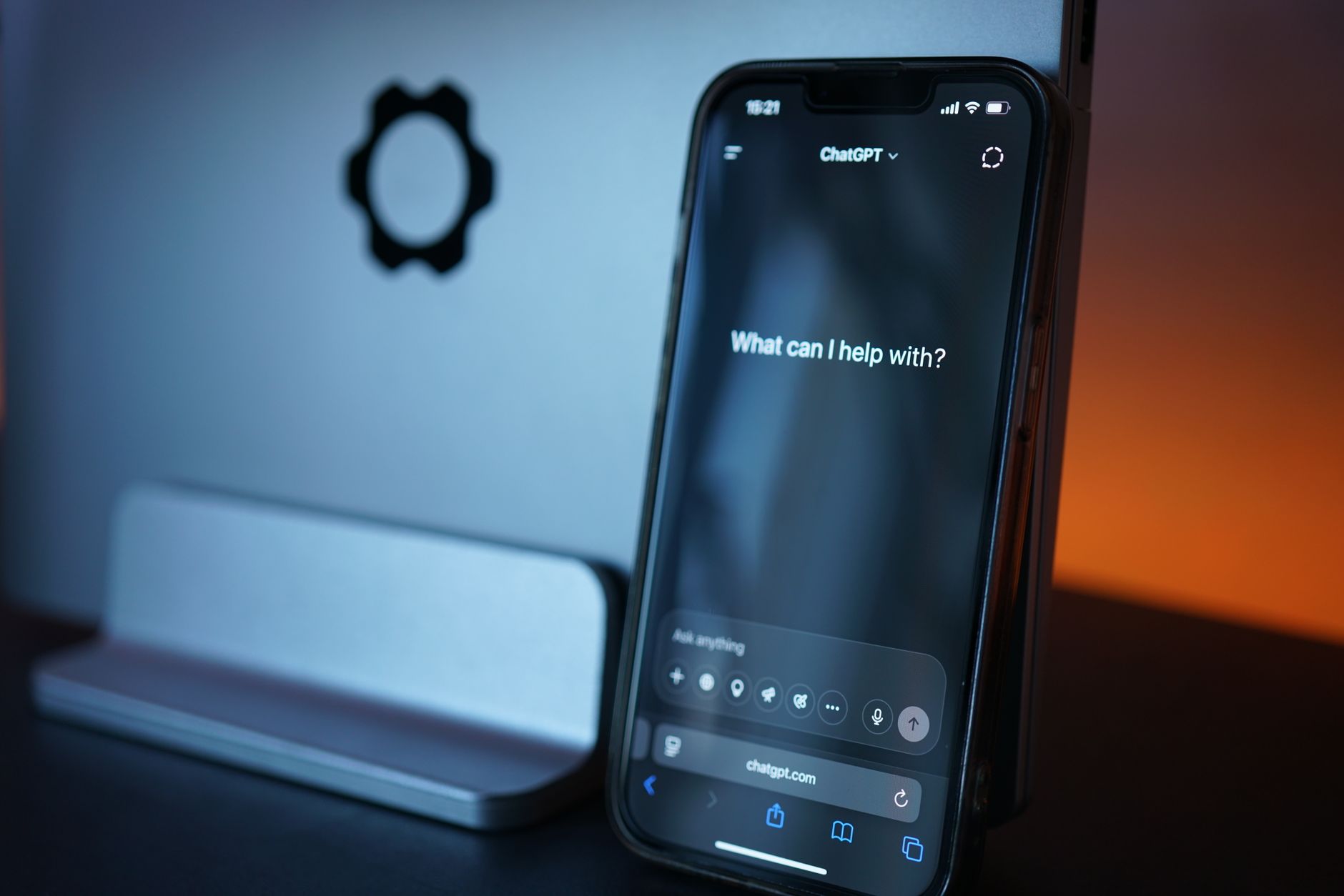
Artificial intelligence is moving deeper into everyday health care, and OpenAI is leading that push with two coordinated product launches aimed at consumers and large health systems. The company has made ChatGPT Health available to all users in the United States while rolling out OpenAI for Healthcare, an enterprise-grade suite designed to support hospitals, clinics, and administrators. Together the two offerings signal that generative AI is no longer just a novel assistant for general questions, but a serious layer in how personal medical data is accessed, interpreted, and managed.
ChatGPT Health: a dedicated space for personal medical guidance
ChatGPT Health is a purpose-built experience inside ChatGPT that lets users connect personal health data and receive guidance grounded in their own records rather than generic answers. The feature is available to U.S. users who are at least 18 years old, and it represents a major expansion of how the chatbot can participate in wellness conversations. Instead of asking users to type their symptoms or history manually, ChatGPT Health can reference relevant health data in any conversation once a user has granted access.
Users can integrate medical records through b.well's provider network, which spans roughly 2.2 million U.S. healthcare providers and about 320 health plans. The launch also supports popular wellness platforms, including Apple Health, MyFitnessPal, Weight Watchers, AllTrails, Instacart, and Peloton, allowing the assistant to combine data from fitness trackers, nutrition apps, and activity logs. Medical records can also be brought in from hospital systems such as Epic and Oracle Health, as well as health platforms like One Medical and Function Health, per reporting from TechCrunch that outlined the breadth of the integrations.
The scale of demand is notable. OpenAI has reported that around 230 million people use ChatGPT for health-related questions every week, which represents roughly one in four of the chatbot's reported 800 million weekly users, with about 40 million turning to the assistant daily for health guidance. That existing behavior is part of why the company is building a dedicated, more structured product around it rather than leaving health queries to a general-purpose assistant.
Privacy, safety, and the boundaries of AI health advice
Because ChatGPT Health touches sensitive medical information, OpenAI has emphasized additional protections built specifically for health data. The company says the feature builds on the strong privacy, security, and data controls already present across ChatGPT, adding layered safeguards that include purpose-built encryption and isolation designed to keep health conversations protected and compartmentalized. These measures are intended to reassure users who are entrusting the platform with medical records and wellness data.
At the same time, OpenAI has been careful to frame ChatGPT Health as a consumer product rather than a formal clinical diagnostic tool. The assistant is positioned to help users understand their own health information, prepare for clinical visits, and ask better questions, rather than to replace licensed medical professionals. Observers and analysts have noted both the promise and the risks of the approach, pointing out that AI-generated health guidance can be inaccurate and that privacy concerns remain significant when personal medical records are shared with a large language model platform.
The enterprise counterpart, OpenAI for Healthcare, addresses the institutional side of the equation. It includes ChatGPT for Healthcare, which is built to support the careful, evidence-based reasoning required in real patient care while reducing administrative burden. The suite combines health intelligence with trusted medical evidence, health workflows, enterprise controls, and HIPAA compliance, allowing large health systems to bring clinicians and administrators into a secure, AI-assisted environment without running afoul of U.S. health data regulations.
A wider trend: AI platforms racing into regulated industries
OpenAI's health push is part of a broader pattern across the AI industry. Anthropic has also announced health-focused platforms, and the competition illustrates how leading model developers are moving beyond general chat assistants into verticals with demanding regulatory and privacy requirements. Health care is far from the only target; similar dynamics are playing out in finance, education, and government, where the ability to handle sensitive data within compliance frameworks is becoming a competitive differentiator.
For health systems, the new OpenAI for Healthcare offerings represent a potential way to reduce documentation burdens and give staff more time with patients, while keeping data within enterprise-controlled workflows. Early partners include several large health systems, which are essentially becoming early testbeds for generative AI in clinical operations. The challenge for these institutions will be balancing efficiency gains with rigorous oversight, accuracy guarantees, and the state-by-state and institutional requirements that sit on top of federal standards like HIPAA.
The direction of travel is clear: AI providers are betting that consumers and enterprises alike will grow comfortable trusting models with highly personal and regulated data, provided the right safeguards exist. ChatGPT Health and OpenAI for Healthcare together make health care one of the most concrete proving grounds for that bet, and the coming months will reveal whether the structured, evidence-aware approach wins over regulators, clinicians, and users seeking answers about their own bodies.
Key Takeaways
- Dual launch: OpenAI made ChatGPT Health available to U.S. users aged 18 and older while rolling out OpenAI for Healthcare, an enterprise suite featuring ChatGPT for Healthcare with HIPAA compliance.
- Broad integration: ChatGPT Health connects to medical records via b.well's network of about 2.2 million U.S. providers, plus platforms such as Apple Health, MyFitnessPal, Weight Watchers, and Peloton, and hospital systems like Epic and Oracle Health.
- Enormous demand: Roughly 230 million people use ChatGPT for health-related questions weekly, or about one in four of its reported 800 million weekly users, with around 40 million daily health queries.
- Privacy focus: OpenAI says ChatGPT Health adds purpose-built encryption and isolation layered on top of existing ChatGPT data controls to protect sensitive health conversations.
- Consumer framing: ChatGPT Health is positioned as a consumer wellness companion, not a clinical diagnostic tool, while OpenAI for Healthcare targets health systems and administrators with evidence-based reasoning and enterprise controls.