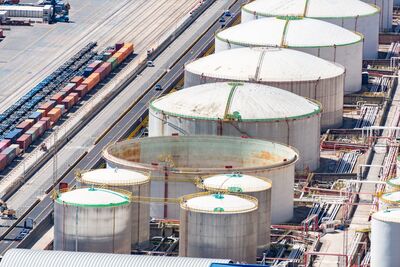
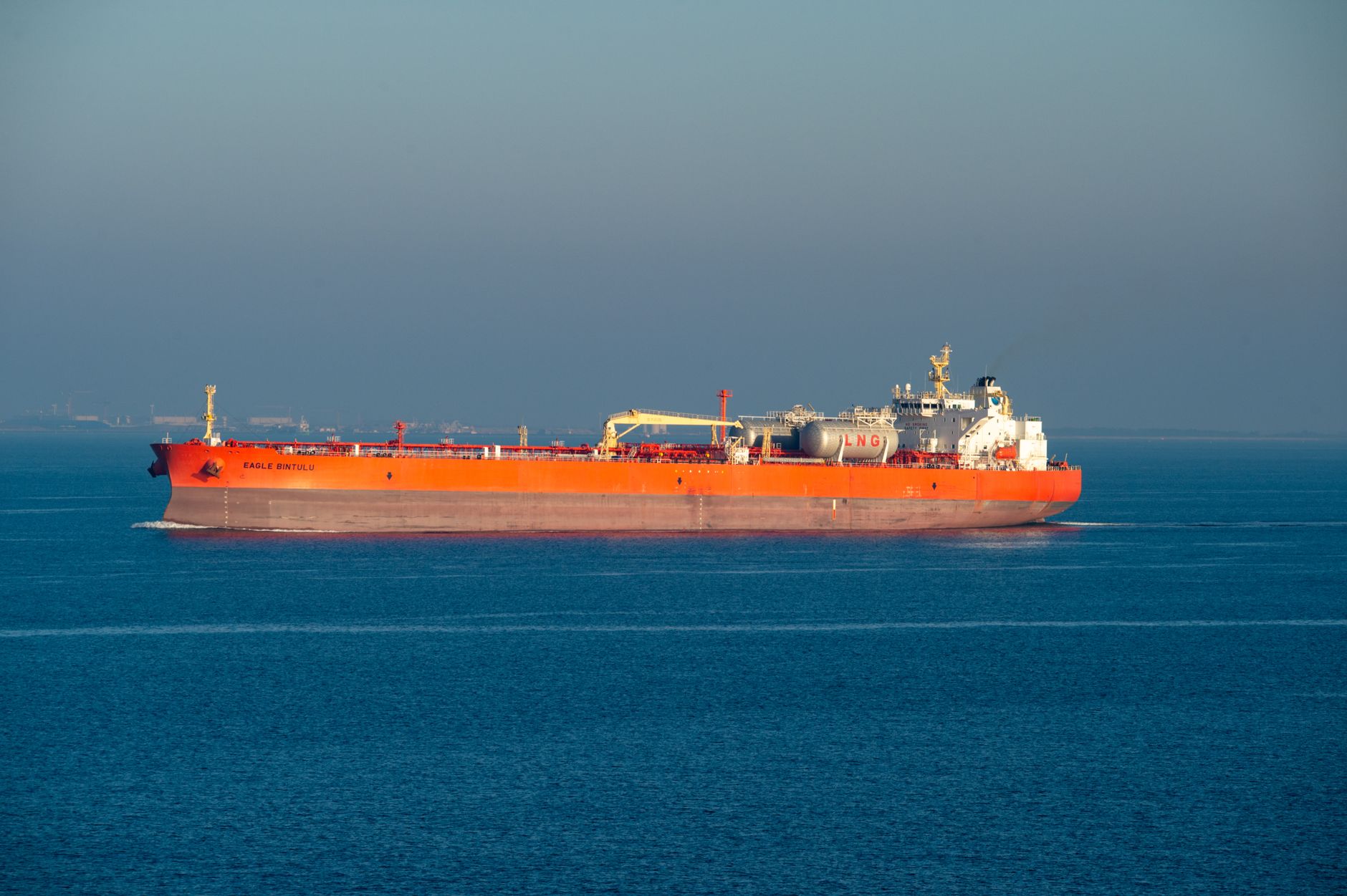
The global energy landscape is undergoing a profound transformation, with liquefied natural gas (LNG) emerging as a pivotal fuel for energy security and the transition away from higher-carbon sources. As nations navigate complex geopolitical shifts and intensified decarbonization efforts, understanding the intricate dynamics of the Global LNG Market 2026 is crucial for stakeholders across the energy spectrum, from producers and consumers to investors and policymakers, as it shapes future energy supplies and infrastructure development worldwide.
Supply Dynamics and Production Outlook
The global LNG supply is poised for significant expansion by 2026, primarily driven by substantial liquefaction capacity additions in key producing regions. The United States continues its trajectory as a major LNG exporter, with several large-scale projects expected to come online or reach full capacity. For instance, projects like Venture Global's Plaquemines LNG facility, with its first phase targeting approximately 13.3 million tonnes per annum (MTPA) of capacity, and Cheniere Energy's Corpus Christi Stage III expansion, adding an estimated 11.45 MTPA, are critical components of this growth. These expansions underscore the U.S.'s strategic role in providing flexible and diverse supply to the global market, particularly in response to European energy security demands following geopolitical events. Furthermore, the robust pipeline of U.S. projects, backed by long-term contracts, indicates sustained growth beyond 2026, solidifying its position as a dominant supplier.
Qatar, a long-standing titan in the LNG sector, is embarking on an ambitious expansion of its North Field project, which will cement its leadership position. The North Field East (NFE) expansion, expected to commence production progressively from 2026, will add a staggering 32 MTPA of new liquefaction capacity across four mega-trains. Following NFE, the North Field South (NFS) expansion will add another 16 MTPA, bringing Qatar's total liquefaction capacity to an unparalleled 126 MTPA by 2027. This monumental increase from its current 77 MTPA will significantly reshape the supply landscape, offering substantial volumes to meet burgeoning global demand. These Qatari projects are characterized by their low-cost production and strategic long-term contracts, providing a stable and reliable supply foundation for decades.
Beyond the U.S. and Qatar, other nations are also contributing to the growing LNG supply pool. Australia, already a leading exporter, continues to optimize its existing facilities, though major new greenfield projects are less prominent in the 2026 timeframe compared to its two large counterparts. However, smaller-scale expansions and debottlenecking efforts at existing plants, such as those in Western Australia, will contribute incremental volumes. Mozambique, despite facing developmental challenges, has the potential for initial LNG exports from its Coral South FLNG project, which started production in late 2022, and other onshore projects like Rovuma LNG, which could see significant progress towards a final investment decision (FID) potentially impacting mid-term supply. These diverse sources collectively ensure a multi-faceted and geographically distributed increase in global LNG production capacity, enhancing market resilience against regional disruptions.
Demand Trends and Emerging Markets
Global LNG demand is projected to maintain a strong growth trajectory towards 2026, driven by a confluence of factors including energy security concerns, industrial growth, and the ongoing energy transition. Europe, having significantly increased its LNG imports since 2022 to replace Russian pipeline gas, is expected to sustain high levels of demand, albeit with some moderation as energy efficiency measures and renewable energy deployment accelerate. The continent's continued reliance on LNG for power generation and industrial feedstock, coupled with strategic efforts to diversify supply sources, ensures its prominent role as a major demand center. This shift has necessitated rapid infrastructure development, particularly in regasification capacity, across several European nations.
Asia remains the powerhouse of LNG demand, with traditional importers like Japan, South Korea, and China continuing to be significant players. China, in particular, is expected to see robust growth as it prioritizes natural gas for urban heating, industrial use, and power generation as part of its efforts to improve air quality and achieve carbon peak targets. India's demand is also on an upward curve, spurred by economic expansion, urbanization, and a drive to increase the share of natural gas in its energy mix from the current approximate 6% to 15% by 2030. Southeast Asian nations, including Thailand, Vietnam, and the Philippines, are emerging as crucial growth markets, investing in new regasification terminals to meet rising energy needs and transition away from coal, highlighting the dynamic expansion of the Global LNG Market 2026 beyond established consumers.
Beyond these established and emerging large-scale markets, a growing number of smaller countries in Latin America, the Caribbean, and even parts of Africa are exploring or developing LNG import capabilities. These nations are drawn to LNG's flexibility, its role as a cleaner alternative to fuel oil or coal, and its ability to provide immediate energy security solutions. The increasing availability of Floating Storage and Regasification Units (FSRUs) has lowered the barrier to entry for many of these markets, enabling quicker deployment of import infrastructure. This broad-based global appetite for LNG underscores its indispensable role in meeting diverse energy requirements, from large industrial complexes to remote power generation, positioning it as a cornerstone of the global energy mix for the foreseeable future.
- Energy Security Imperative: Geopolitical instability and the imperative to diversify energy sources continue to be primary drivers for LNG demand, especially in Europe and parts of Asia.
- Transition Fuel Status: LNG is increasingly viewed as a crucial bridge fuel in the energy transition, supporting the phase-out of coal and complementing intermittent renewable energy sources, particularly for industrial processes and power generation.
New Terminals and Infrastructure Development
The period leading up to and including 2026 will witness a significant surge in both liquefaction and regasification terminal development globally, directly responding to the anticipated supply and demand shifts. On the liquefaction front, as mentioned, the U.S. Gulf Coast is a hotbed of activity, with projects like Golden Pass LNG (a joint venture between QatarEnergy and ExxonMobil) nearing completion and expected to start commissioning trains around 2024-2025, adding approximately 16 MTPA. Mexico is also emerging as a player in liquefaction, leveraging its proximity to U.S. gas pipelines to develop export terminals on its Pacific and Gulf coasts, potentially serving Asian markets more efficiently. These projects, though often smaller in scale than Qatari or major U.S. facilities, contribute to the overall diversification and robustness of global LNG supply infrastructure.
Regasification capacity, essential for importing LNG, is expanding rapidly, particularly in Europe and Asia. Germany, for instance, has moved with unprecedented speed to develop multiple FSRU-based import terminals, such as Wilhelmshaven, Brunsbüttel, and Lubmin, which became operational in late 2022 and early 2023, collectively adding substantial new import capability. Other European nations like the Netherlands, Finland, and Italy are also expanding or establishing new FSRU and onshore terminal capacities to bolster energy independence. In Asia, new onshore regasification terminals are under construction or planned in countries like the Philippines (e.g., First Gen's Batangas LNG terminal), Vietnam, and India, reflecting the long-term commitment of these economies to LNG as a primary energy source for industrial growth and power generation.
The strategic importance of FSRUs cannot be overstated in the current market environment. Their ability to be deployed relatively quickly and with lower capital expenditure compared to traditional onshore terminals makes them ideal for rapidly addressing energy security needs or serving emerging markets. Beyond Europe, FSRUs are gaining traction in diverse regions. For example, Brazil is expanding its FSRU fleet to enhance gas supply flexibility for its power sector, while countries in West Africa are exploring FSRU solutions to monetize domestic gas resources or import LNG for power generation. This modular and flexible approach to infrastructure development is a defining characteristic of the evolving global LNG market, allowing for agile responses to dynamic supply and demand pressures and facilitating broader market access for natural gas.
Key Takeaways
- Robust Supply Growth: The Global LNG Market 2026 will be characterized by a significant increase in liquefaction capacity, primarily driven by mega-projects in Qatar (North Field East) and the continued expansion of facilities in the United States (e.g., Plaquemines LNG, Corpus Christi Stage III).
- Diverse Demand Drivers: Demand for LNG will remain strong, fueled by Europe's persistent need for energy security, China's ongoing gas-fired growth, India's industrial expansion, and the emergence of new import markets in Southeast Asia and other regions seeking cleaner energy alternatives.
- Accelerated Infrastructure Development: Both onshore and floating regasification terminals are rapidly being developed globally, with FSRUs playing a critical role in providing quick and flexible import solutions, particularly in Europe and emerging Asian markets, to facilitate greater market access and resilience.