Discussions about the energy transition often focus on new power sources such as solar farms, wind turbines and batteries. But for many manufacturers, the fastest and most affordable way to cut energy costs and emissions is far less glamorous: using less energy to produce the same output.
Energy efficiency rarely makes headlines, yet it can deliver savings with short payback periods and little disruption to operations. In many factories, a significant share of the energy purchased is simply wasted.
Where the waste hides
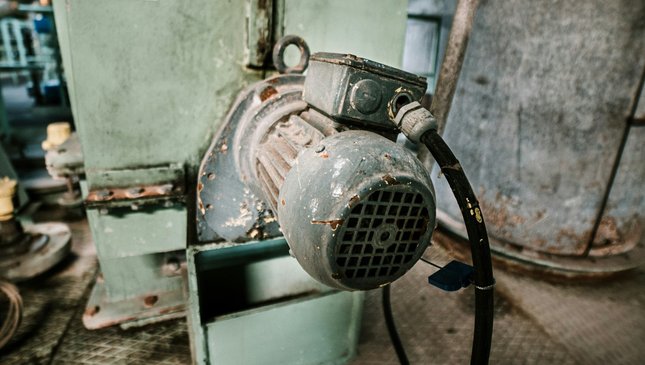
- Electric motors. Motors drive pumps, fans, compressors and conveyors, and they account for a large portion of industrial electricity use. Many plants still run old, oversized motors at full speed even when the process needs much less. Replacing them with high-efficiency models and adding variable speed drives can reduce consumption considerably.
- Compressed air. Often called the most expensive utility in a factory, compressed air systems are notorious for leaks. Small leaks in pipes, fittings and hoses can run continuously and unnoticed, wasting electricity around the clock.
- Heat. Boilers, furnaces and dryers lose energy through poor insulation, inefficient burners and hot exhaust gases. Heat recovery systems can capture some of that waste heat and reuse it, for example to preheat water or combustion air.
- Lighting and cooling. Switching to LED lighting, improving natural lighting and maintaining air-conditioning and chiller systems properly are straightforward measures with reliable savings.
Start with measurement
The first step is understanding where energy goes. An energy audit, carried out by in-house engineers or external specialists, maps consumption across the plant and identifies the largest opportunities. Installing meters on major equipment allows companies to track performance over time and verify that improvements actually deliver results.
Many companies find that a handful of measures account for most of the potential savings. Fixing compressed air leaks, adjusting equipment settings and shutting down machines that run idle between shifts often cost very little.
Making it stick
Energy efficiency is not a one-time project. Without ongoing attention, leaks return, settings drift and old habits come back. Companies that sustain their gains usually treat energy as a managed resource: they assign responsibility to a specific team, set targets, review consumption regularly and involve operators who see the equipment every day.
International standards for energy management systems, such as ISO 50001, provide a structured framework that some manufacturers use to organise this work and demonstrate progress to customers.
Efficiency first, then new energy
Efficiency also makes other energy investments more effective. A factory that has reduced its consumption needs a smaller rooftop solar system or a smaller supply of renewable electricity to cover the same share of its needs.
For manufacturers facing rising energy costs and growing pressure from buyers to lower emissions, efficiency offers a practical starting point. Before investing in new energy sources, it pays to look closely at the energy already being bought and to make sure as little of it as possible goes to waste.