- Vietnam received 19.5 million international visitors in the first 10 months of 2026, up 13.8% from a year earlier.
- The best region depends on the month, because north, central and south have different seasons.
- In November, Hanoi, Ninh Binh and Phu Quoc are safer picks than the rainy central coast.
- Forecasters expect very heavy rain in Hue and Da Nang on November 9-11, so check conditions before traveling.
- Indonesian visitors now get 14 days visa-free, down from 30 days since July 15, 2026.
Vietnam is one of Asia's easiest countries to fill a holiday with, from limestone bays and rice terraces to old trading towns and island beaches. The catch is timing, because the country is long enough that one region can be at its best while another is under heavy rain.
Demand is strong. The Vietnam National Authority of Tourism counted 19.5 million international visitors in the first 10 months of 2026, up 13.8% year on year and about 78% of its 25 million target for the year. This guide picks eight destinations and matches each one to the right season.
Quick answer: The best places for a holiday in Vietnam are Hanoi, Ninh Binh, Ha Long Bay, Sapa, Hue, Hoi An, Ho Chi Minh City and Phu Quoc. For November to April, favor the north and south. Central Vietnam is generally better from February to August, and its coast is at high risk of rain and floods in October and November.Vietnam's Best Destinations at a Glance
The table below sums up what each destination does best and when to plan a visit. Weather windows are general patterns from travel guides, and conditions can vary from year to year.
| Destination | Best for | Best time to go |
|---|---|---|
| Hanoi | Old Quarter, food, history | October to April |
| Ninh Binh | Boat trips through limestone landscapes | October to April |
| Ha Long Bay | Overnight cruises, island scenery | October to April, checking for storms |
| Sapa | Rice terraces, trekking | September to November, March to April |
| Hue | Imperial monuments | February to August |
| Hoi An and Da Nang | Old town, beaches | February to August |
| Ho Chi Minh City and the Mekong Delta | City life, river trips | November to April |
| Phu Quoc | Beach holiday | November to April |
Summers in the north are hot and humid, and the south's rainy season runs from May to November, with showers often in the afternoon or evening.
Northern Vietnam: Hanoi, Ninh Binh, Ha Long Bay and Sapa
Hanoi is the natural starting point. The capital suits travelers who like to explore on foot, with the busy streets of the Old Quarter, a deep street food culture and the Imperial Citadel of Thang Long, a UNESCO World Heritage Site since 2010.
Ninh Binh lies about two hours south of Hanoi by road and is often the highlight of a northern trip. The Trang An Landscape Complex, listed by UNESCO in 2014, is known for rowing boat trips between limestone peaks, and it works as an overnight stay or a long day trip.
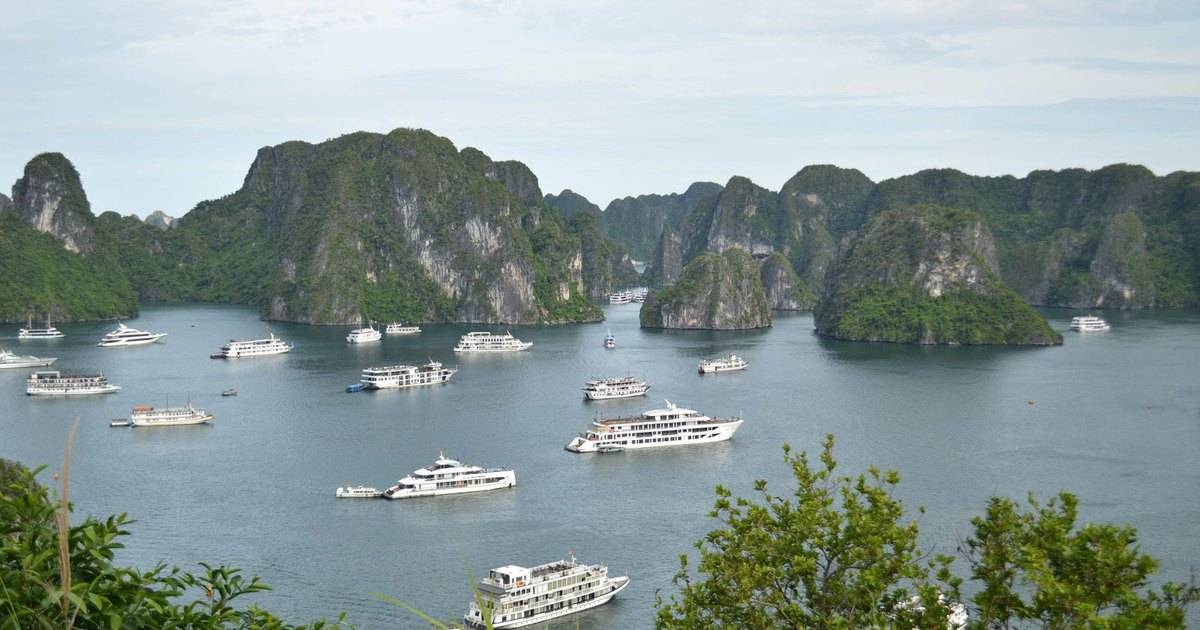
Ha Long Bay has about 1,600 islands and islets in the Gulf of Tonkin and is best seen on an overnight cruise, which allows time beyond the busiest day-trip routes. Check the weather before paying, because sailings can be cancelled in bad conditions.
Sapa is the choice for mountain scenery, with rice terraces and trekking through highland villages. It is noticeably cooler than the lowlands, so bring warm layers from late autumn through winter.
Central Vietnam: Hue, Hoi An and Da Nang
Hue was the first place in Vietnam added to the UNESCO World Heritage List, in 1993. Its monuments make it the country's best stop for imperial history.
Hoi An, a UNESCO site since 1999, is known for its preserved ancient town and its evening atmosphere, and it pairs easily with the beaches of nearby Da Nang. Together they make a strong base for travelers who want culture and sea in one trip.
Timing matters most here. Travel guides generally recommend February to August, because the central coast is the part of Vietnam most exposed to typhoons, with the highest risk from September to November. Floods can reach Hoi An's old town and disrupt road travel, so book refundable hotels and tours during those months.
Southern Vietnam: Ho Chi Minh City, the Mekong Delta and Phu Quoc
Ho Chi Minh City is Vietnam's fast-moving commercial hub and a good choice for travelers who enjoy food, shopping and nightlife. From there, the Mekong Delta offers a slower look at river life on a day trip or overnight stay.
Phu Quoc is the pick for a beach holiday, particularly from November to April, when the south is dry. It also makes a relaxing end to a trip after the cities and the north.
Traveling Now? Check the Central Vietnam Forecast
Travelers heading to Vietnam this month should watch the weather closely. As of November 6, Vietnamese forecasters expected very heavy rain from the night of November 8 to November 11, with Hue, Da Nang and eastern Quang Ngai likely to see 250-450 mm from November 9 and more than 700 mm in some places.
Rivers from Quang Tri to Dak Lak may also flood between November 9 and 12, according to Nhan Dan newspaper. A cold front is forecast to reach northern Vietnam from November 8. Floods and landslides were also reported in northern and central provinces around the start of November.
These are forecasts, and conditions can change. Anyone with bookings in the affected areas should follow Vietnam's National Center for Hydro-Meteorological Forecasting and local authorities, contact their hotel or tour operator, and consider moving those days to the north or south.
Three Sample Itineraries
These routes are suggestions from our editors and can be shortened or extended. Domestic flights link Hanoi, Da Nang, Ho Chi Minh City and Phu Quoc, which saves time on longer trips.
| Trip | Route | Best season |
|---|---|---|
| 7 days in the north | Hanoi (3 nights), Ninh Binh (1 night), Ha Long Bay cruise (1 night), back to Hanoi (1 night) | October to April |
| 7 days in the south | Ho Chi Minh City (3 nights), Mekong Delta (1 night), Phu Quoc (2 nights) | November to April |
| 10 days through the center | Hanoi (3 nights), Hue (2 nights), Hoi An and Da Nang (3 nights), Ho Chi Minh City (1 night) | February to April |
The 10-day route suits the months when the north, center and south are all reasonably comfortable.
Vietnam Visa Rules to Check Before You Fly
Rules depend on your passport. Vietnam's e-visa is open to all nationalities, allows stays of up to 90 days with single or multiple entry, and is issued through the government portal at evisa.gov.vn. Fees are listed at US$25 for single entry and US$50 for multiple entry.
Indonesian travelers should note a recent change. According to the Indonesian Embassy in Hanoi, the visa-free stay for Indonesian citizens fell from 30 days to 14 days from July 15, 2026, and it covers tourism and family visits. Longer stays need a visa, so the itineraries above fit within the limit.
Other visitors also have different terms. Travelers from Malaysia, Singapore and Thailand are listed at 30 days and those from the Philippines at 21 days, while many European countries, Japan and South Korea are listed at 45 days. US, Canadian and Australian citizens need a visa or e-visa. A special exemption also applies to foreign visitors arriving directly in Phu Quoc from abroad and staying on the island. Confirm the rules with a Vietnamese embassy or immigration before booking.
FAQ (Frequently Asked Questions)
Hanoi is a strong starting point, as it combines food, history and easy trips to Ninh Binh and Ha Long Bay. Travelers who prefer warm beaches can start in the south and end in Phu Quoc. March and April are often recommended for the whole country. For a single region, choose October to April in the north, February to August in the center and November to April in the south. Yes for the north and south, but less so for the central coast, where rain and flood risk are high. Forecasters expect very heavy rain around Hue and Da Nang on November 9-11, 2026. Seven days suits one region, such as the north or the south. Ten days or more allows a route through several regions with domestic flights. Not for tourism or family visits of up to 14 days, the limit in place since July 15, 2026. Longer stays need a visa, and the e-visa allows up to 90 days.1. What is the best place to visit in Vietnam for first-timers?
2. What is the best month to visit Vietnam?
3. Is November a good time to visit Vietnam?
4. How many days do you need in Vietnam?
5. Do Indonesians need a visa for Vietnam?
Conclusion
The best Vietnam holiday starts with the calendar. Choose the region that suits your travel month, keep plans flexible during the central rainy season, and confirm entry rules before booking.
- Vietnam received 19.5 million international visitors in the first 10 months of 2026.
- Choose by season: north and south from November to April, center from February to August.
- Forecasters expect very heavy rain around Hue and Da Nang on November 9-11, 2026.
- Indonesians now get 14 days visa-free, and e-visas allow stays of up to 90 days.
- Book refundable stays on the central coast from September to November.