- OpenAI released GPT-6 Cyber on Nov. 5 with restricted access and says the model found 81 high-severity flaws in Firefox.
- The US Justice Department formed a Super Intelligence Task Force to pursue AI misuse, without creating any new criminal offense.
- The Nasdaq 100 fell 6.4% on Nov. 5 and lost $2.3 trillion in market value, the largest such loss on record, according to Bloomberg.
- Google announced a $17 billion investment in its first Wyoming data center, backed by a 702 MW fuel-cell project.
- Mistral released open weights for the 1-trillion-parameter Mistral Large 4, while OpenAI is reportedly raising another $11 billion.
Global AI news moved in three directions this week: models grew more capable, law enforcement began to catch up, and markets grew more nervous. This global AI roundup for Nov. 7, 2026 covers the most important developments through Nov. 6.
The launch of GPT-6 Cyber led the technology news, while the chip stock rout on Thursday, Nov. 5, dominated the business side. Some of the funding stories below are still media reports based on anonymous sources, and each is labeled accordingly.
Quick answer: The biggest AI stories this week were OpenAI's release of GPT-6 Cyber, the US Justice Department's new Super Intelligence Task Force, and a 6.4% plunge in the Nasdaq 100. Google also committed $17 billion to a Wyoming data center, and Mistral released a 1-trillion-parameter open-weight model.OpenAI Releases GPT-6 Cyber for Security Researchers
OpenAI launched GPT-6 Cyber on Nov. 5, 2026. The model is built for vulnerability research and is not open to the general public. Access is limited to verified participants in the Daybreak Red program. OpenAI rates its cyber capability as Critical under its Preparedness Framework, one level above GPT-5.6 Cyber, which was rated High.
According to OpenAI, the model found 81 previously unknown high-severity vulnerabilities in Firefox and sent evidence and proposed fixes to Mozilla. OpenAI also reported 948 working Linux kernel exploits, at a cost of about $1.2 million in API credits.
All of these figures come from OpenAI and have not been independently audited. Even so, they fit a pattern seen throughout the year: AI can now hunt for security flaws at a scale human teams struggle to match, which puts pressure on defenders to patch faster.
US Justice Department Forms an AI Misuse Task Force
US Attorney General Todd Blanche set up the Super Intelligence Task Force on Nov. 5. Stanley Woodward and Stephen Weiss co-lead the group. Its targets are foreign governments, transnational criminal organizations, and individuals or companies that use advanced AI for fraud or other unlawful conduct.
The new unit absorbs the AI Litigation Task Force created in January 2026. It does not create any new crime, so charges must still rest on existing statutes. The term super intelligence itself follows an internal Justice Department directive in October, which told staff to replace the term AI after an executive order from President Trump.
Chip Stocks Plunge as the Nasdaq 100 Posts a Record Loss
US stocks took a heavy blow on Nov. 5. Bloomberg reported that the Nasdaq 100 fell 6.4% and lost $2.3 trillion in market value, the most on record. The Dow Jones fell 1,833 points, or 3.44%, and the Nasdaq Composite fell 5.52%. The Philadelphia Semiconductor Index reportedly dropped about 12%.
Traders linked the selloff to Democratic gains in the Nov. 3 midterm elections, which raised fears of tighter AI rules and a slower data center buildout. Stretched valuations in AI stocks were also cited. These explanations remain market interpretation, not policy that has taken effect.
Google Commits $17 Billion to a Wyoming Data Center
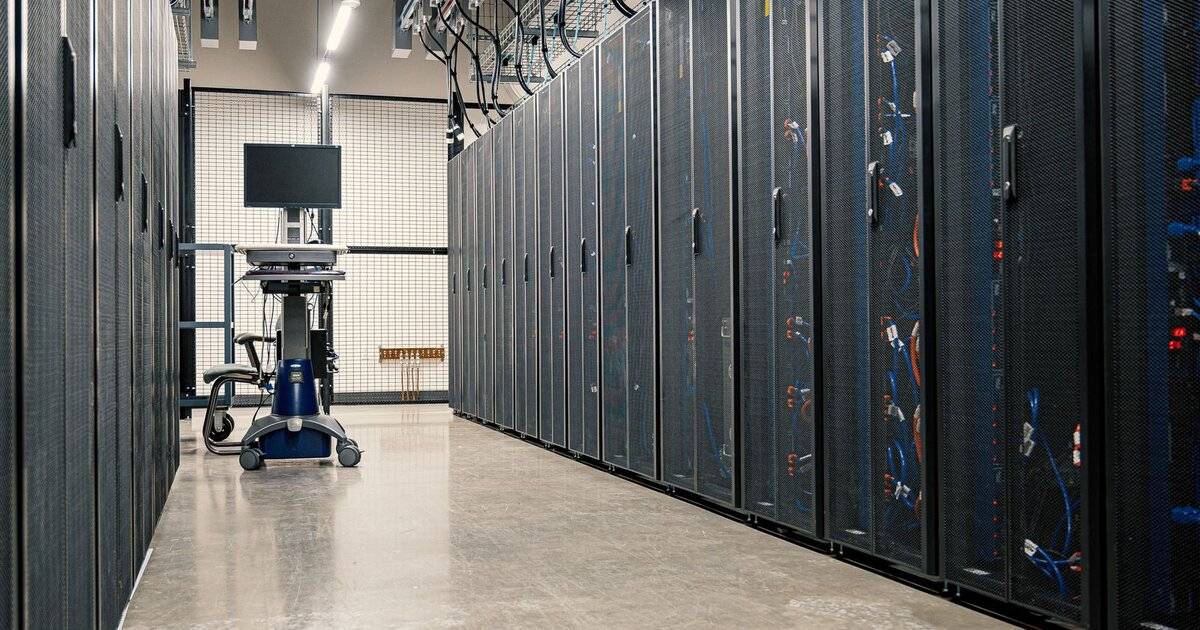
Despite the market jitters, Google announced a $17 billion investment in its first Wyoming data center. The campus sits in Laramie County, near Cheyenne, and uses air cooling to limit water consumption.
Its power supply includes a 702 MW fuel-cell project with carbon capture, contracted from American Electric Power and using Bloom Energy technology. Tallgrass Energy, Black Hills Energy, and Related Digital are also partners. The arrangement shows how electricity has become a deciding factor in where AI data centers go, and why technology companies increasingly secure their own power.
Mistral Large 4 Arrives With Open Weights
French company Mistral released open weights for Mistral Large 4, a multimodal model with 1 trillion parameters. Pricing is $0.70 per million input tokens and $2.10 per million output tokens. The license is a modified MIT license, and businesses running model-as-a-service offerings need a separate commercial license.
Mistral claims the model refuses an average of 96.6% of malicious cyber requests. The company also acknowledged seeing potential for the model to assist real attacks after its preview period, and it changed its guardrails in response. That admission matters because open weights can be downloaded and run outside the developer's control.
AI Funding Keeps Flowing, but Some Deals Are Not Final
The stock rout has not stopped capital from reaching AI companies. OpenAI President Greg Brockman also answered "I think so. Yes." when asked whether the company could be ready for an IPO in 2027, according to TechCrunch. These are the deals reported this week.
| Company | Report | Status |
|---|---|---|
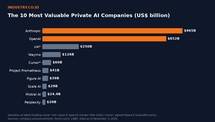
| OpenAI | An additional $11 billion at a $1.25 trillion valuation | Anonymous sources |
| Thinking Machines Lab | $5 billion to $6 billion at a pre-money valuation of at least $40 billion, led by Accel | Still in talks |
| Fal | $1.3 billion at a $16 billion valuation | Reported by TechCrunch |
| Palo Alto Networks | Buying AI agent security startup Clutch for about $500 million | Anonymous sources, no deal yet |
Nvidia is reportedly investing about $2.5 billion in Thinking Machines Lab.
Meta Pauses Its Scraping Terms Change
Nieman Lab reported that Meta paused changes to its terms on content scraping after pressure from publishers. The story matters for media companies because their relationship with AI firms is still being negotiated, from permission to train models to payment for content.
FAQ (Frequently Asked Questions)
GPT-6 Cyber is an OpenAI model for security vulnerability research, released on Nov. 5, 2026. Access is limited to verified participants in the Daybreak Red program. No. OpenAI restricts access because it rates the model's cyber capability as Critical under its Preparedness Framework. This US Justice Department unit handles misuse of advanced AI by foreign actors, criminal networks, individuals, and companies. Prosecutions still rely on existing laws. Traders linked the drop to Democratic gains in the midterm elections, fears of tighter AI rules and a slower data center buildout, and already high valuations. Not by the company. The figure comes from media reports citing anonymous sources.1. What is GPT-6 Cyber?
2. Can the general public use GPT-6 Cyber?
3. What does the Super Intelligence Task Force do?
4. Why did US chip stocks plunge on Nov. 5, 2026?
5. Is OpenAI's $11 billion funding confirmed?
Conclusion
This week showed a widening gap between the speed of the technology and the readiness of the rules around it. Models such as GPT-6 Cyber and Mistral Large 4 keep advancing, while prosecutors still rely on old statutes and investors have started pricing in regulatory risk.
Two things are worth watching next: how quickly vendors patch the flaws AI is now finding, and whether market turbulence in the US slows global spending on AI infrastructure.
- GPT-6 Cyber has a restricted release, and its results are still OpenAI's own claims.
- The Justice Department's AI task force creates no new offense.
- The Nasdaq 100 lost $2.3 trillion in a single day on Nov. 5.
- Google is still investing heavily, with $17 billion for Wyoming.
- Much of this week's funding news is not final.