- Indonesia's Ministry of Primary and Secondary Education says 242,482 part-time PPPK teachers will become full-time PPPK staff from 1 January 2027.
- The transfer is automatic, with no new selection test, based on verification of the national education database (Dapodik).
- Salaries of transferred teachers will be paid by the central government through the state budget (APBN), with about IDR 23 trillion allocated for 2027.
- Part-time contracts that expired in October 2026 have been extended by one year to avoid teacher shortages.
- Base pay for full-time PPPK staff follows Presidential Regulation 11/2024, from IDR 1,938,500 to IDR 7,329,000 per month.
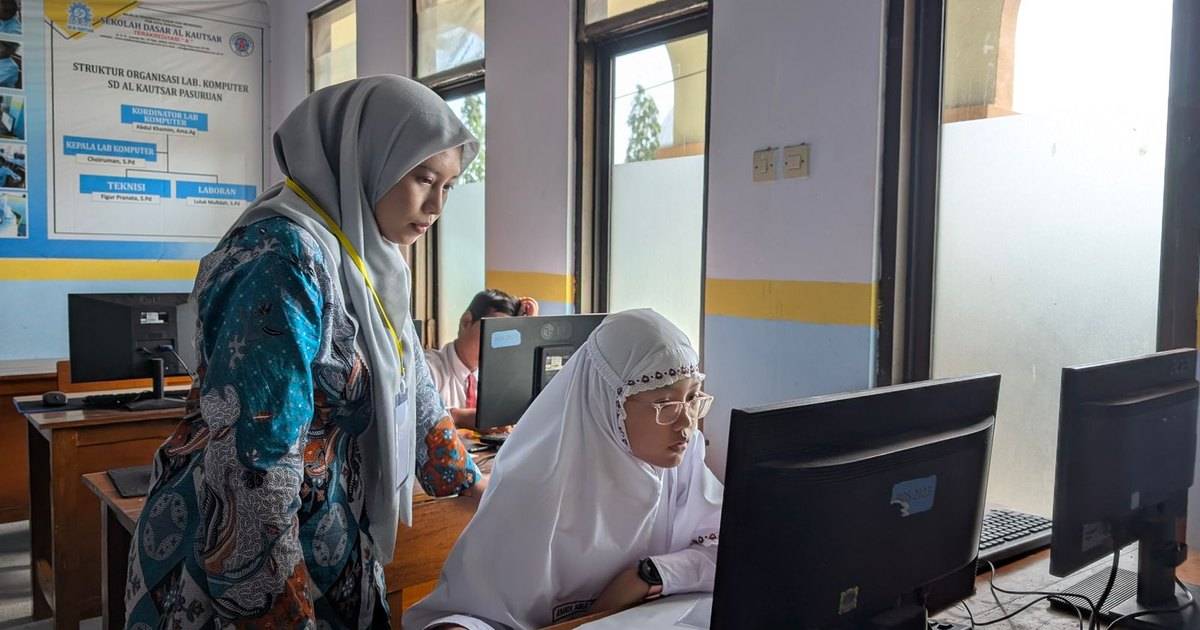
Indonesia's part-time PPPK teachers are set to become full-time government contract staff from 1 January 2027. The move affects more than 240,000 teachers in public schools and shifts their pay from regional budgets to the national budget.
PPPK, short for Pegawai Pemerintah dengan Perjanjian Kerja, are government employees hired on work agreements rather than as permanent civil servants (PNS). Since 2025, many former honorary teachers were absorbed as part-time PPPK, often on low wages set by local governments.
The latest confirmation came from Nunuk Suryani, Director General of Teachers and Education Personnel at the education ministry, on Wednesday, 18 November 2026, during the run-up to National Teachers' Day. This article explains who is affected, the timeline, where the money comes from and how much full-time PPPK staff earn.
Quick answer: From 1 January 2027, about 242,482 part-time PPPK teachers who are actively teaching and registered in Indonesia's Dapodik database will become full-time PPPK staff without a new test. Their salaries will be paid by the central government from the state budget, with about IDR 23 trillion allocated. Base pay follows Presidential Regulation 11/2024, ranging from IDR 1,938,500 to IDR 7,329,000 per month by grade.Who Will Be Converted to Full-Time PPPK?
The policy targets part-time PPPK teachers in public schools. The education ministry puts the number at 242,482. Earlier figures differed slightly: Dapodik data cited by parliament in September 2026 recorded 231,246 part-time teachers out of 908,617 PPPK teachers in total.
There are two main conditions. Teachers must still be actively teaching and must be recorded in Dapodik. The ministry will verify that data before the transfer, while provincial and district education offices map teacher numbers, schools and needs to guide placement.
Teachers who switch remain PPPK, not permanent civil servants. Those who meet administrative requirements can join civil service (CPNS) recruitment, which the government plans to open in stages from 2027.
Timeline of the Transition
Lalu Hadrian Irfani, deputy chair of parliament's Commission X on education, said in September 2026 that the transfer would be done without tests and in phases between January 2027 and 2029. Meanwhile, local governments were asked to extend part-time contracts that ended in October 2026 for another year and keep paying teachers until the end of December 2026.
| No | Stage |
|---|---|
| 1 | September 2026: government and Commission X agree on a test-free transfer. |
| 2 | October to December 2026: part-time contracts extended; regional governments keep paying salaries. |
| 3 | November to December 2026: Dapodik verification and mapping of teacher needs. |
| 4 | 1 January 2027: teachers start moving to full-time PPPK status paid from the state budget. |
| 5 | 2027 to 2029: gradual restructuring of regional PPPK staff under the central government. |
Paid by the State Budget, Not Regional Governments
The biggest change is the source of salaries. Part-time PPPK wages have so far been paid from agency or regional budgets (APBD). From 2027, the central government will pay transferred teachers through the national budget (APBN).
"So regional governments no longer need to budget for it, because there would be overlapping payroll," Nunuk Suryani said. The education ministry has set aside about IDR 23 trillion in its 2027 budget for salaries and allowances of the teachers being transferred.
The finance minister had earlier mentioned a figure of around IDR 31.1 trillion, possibly more, at a hearing with the Regional Representative Council on 14 September 2026, when headcounts and payroll schemes were still being finalised. The finance ministry has also arranged General Allocation Fund (DAU) support for regional PPPK salaries under Finance Ministry Regulation (PMK) 35 of 2026.
How Much Do Full-Time PPPK Staff Earn?
Part-time PPPK have no national pay scale; their wages are set in work agreements. Once transferred, base salaries follow Presidential Regulation (Perpres) 11 of 2024, based on grade and years of service.
| PPPK grade | Lowest base pay (IDR) | Highest base pay (IDR) |
|---|---|---|
| I | 1,938,500 | 2,900,900 |
| V | 2,511,500 | 4,189,900 |
| VII | 2,858,800 | 4,551,800 |
| IX | 3,203,600 | 5,261,500 |
| XI | 3,480,300 | 5,716,000 |
| XIII | 3,781,000 | 6,209,800 |
| XVII | 4,462,500 | 7,329,000 |
Source: Presidential Regulation 11 of 2024. Teachers with a bachelor's degree generally enter at grade IX. Allowances are paid on top of base salary.
Teacher Civil Service Recruitment From 2027 to 2029
Alongside the PPPK transfer, the government is preparing civil service recruitment for teachers. Education minister Abdul Mu'ti put the national need at 464,856 teachers, to be recruited in three stages: 30 percent in 2027, 30 percent in 2028 and 40 percent in 2029, open to fresh graduates, non-civil-servant teachers and PPPK.
The religious affairs ministry is also preparing more than 61,000 civil service positions for Islamic school (madrasah) teachers in 2027, with a maximum age of 35, pending coordination with the civil service ministry and agency.
Why the Change Matters
Teacher welfare has long been one of Indonesia's most sensitive education issues. Many honorary and part-time teachers earn far below regional minimum wages, and pay has often depended on the fiscal strength of each district. Moving payroll to the central budget is meant to make pay more consistent across regions.
Technical details are still being finalised, and the government has not explained what happens to teachers whose data fails verification. For now, the key step for teachers is to make sure their Dapodik records are accurate before the end of 2026.
FAQ (Frequently Asked Questions)
From 1 January 2027, with restructuring in phases until 2029. No. The transfer is automatic, based on verification of the Dapodik education database. The education ministry says 242,482 teachers. The central government, through the state budget (APBN). About IDR 23 trillion is allocated for 2027. No. They remain PPPK but may apply for civil service recruitment that opens in stages from 2027.1. When will part-time PPPK teachers become full-time?
2. Is there a test for the transfer?
3. How many teachers are affected?
4. Who pays the salaries?
5. Do full-time PPPK staff become civil servants?
Conclusion
Converting 242,482 part-time PPPK teachers to full-time status from 1 January 2027 is one of Indonesia's largest education workforce changes in years, with salaries now guaranteed by the national budget.
Implementation details are still being finalised, so teachers should make sure their records in Dapodik are correct before verification is completed.
- 242,482 part-time PPPK teachers go full-time from 1 January 2027.
- No new test; based on Dapodik verification.
- Salaries paid from the state budget, about IDR 23 trillion.
- Base pay IDR 1.94 million to IDR 7.33 million by grade.
- Status remains PPPK, not permanent civil servant.