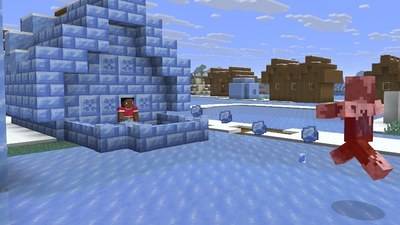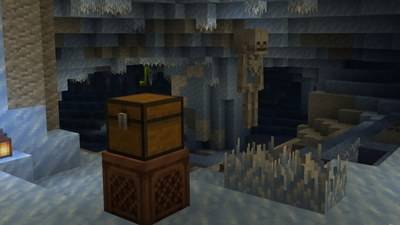
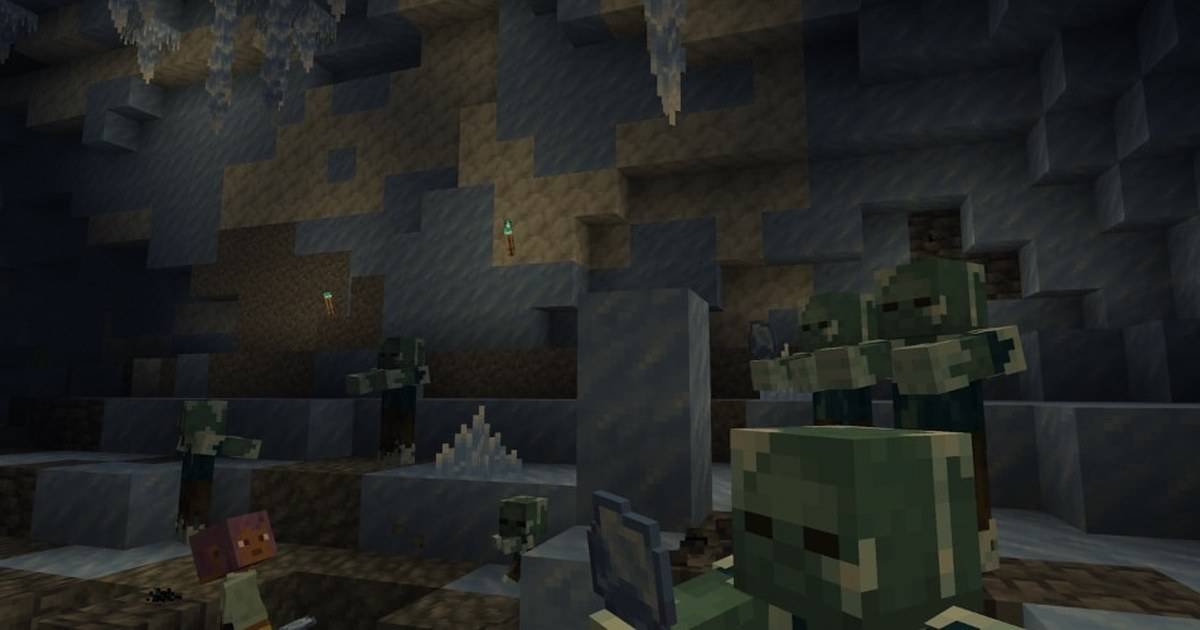
- Ice caves are a new cave biome added in Minecraft 26.4 Snapshot 3, made mostly of packed ice and calcite.
- They generate underneath cold biomes such as ice spikes, snowy plains, snowy taigas and frozen oceans.
- They are the only place where icicles and ice crystals generate naturally.
- Watch for crevasses: brittle ice over water that cracks and breaks under your feet.
- Frostbites and strays spawn here at light level 0, alongside regular cave monsters.
The Minecraft 26.4 winter drop adds a brand-new underground biome: ice caves. Packed with icicles, glowing ice crystals and fragile brittle ice, they are also home to the new Frostbite mob and the source of several new blocks, so finding one is the first step to enjoying most of the update.
Ice caves arrived in Java Edition 26.4 Snapshot 3 on 6 October 2026 and have been refined in every snapshot since. Mojang has not announced a final release date for 26.4, but the features are already playable in snapshots and in Bedrock previews.
This guide explains where ice caves generate, how to recognise them, what you will find inside and how to explore them without falling through the ice.
Quick answer: Ice caves generate underground beneath cold surface biomes such as ice spikes, snowy plains, snowy taigas and frozen oceans, and occasionally under the dappled forest. They are more common near oceans. Head to a snowy biome, dig or explore downward, and look for walls of packed ice with calcite, icicles hanging from the ceiling and ice crystals on the floor. Watch out for crevasses of brittle ice and for frostbites and strays.Where Ice Caves Generate
Mojang's Snapshot 3 notes describe ice caves as a new cave biome that generates under the colder biomes in the Overworld. According to the Minecraft Wiki, that typically means beneath ice spikes, snowy plains, snowy taigas and frozen oceans, and sometimes under less-cold biomes such as the new dappled forest.
The wiki also notes that ice caves are more common near oceans, while very humid areas make them rarer. They can sit next to lush caves and, less often, dripstone caves, but never directly border sulfur caves. In rare cases, an ice cave can leak out through a cave opening or ravine, which is the easiest way to spot one from the surface.
| Surface biome | Chance of ice caves below |
|---|---|
| Ice spikes | High |
| Snowy plains | High |
| Snowy taiga | High |
| Frozen ocean and deep frozen ocean | High, especially near the coast |
| Dappled forest | Occasional |
| Warm or very humid biomes | Very low |
Based on Mojang's Snapshot 3 notes and the Minecraft Wiki. Terrain generation can still change before 26.4 releases.
How to Recognise an Ice Cave
Once you are underground in a cold region, these signs tell you that you have found an ice cave rather than an ordinary one.
| Sign | What to look for |
|---|---|
| Walls | Packed ice with blobs of white calcite |
| Ceiling | Icicles and large packed-ice spikes hanging down |
| Floor | Snow patches and ice crystals that glow at light level 4 |
| Cracks | Crevasses covered by brittle ice with water underneath |
| Ores | Embedded in blobs of stone and deepslate inside the ice |
| Missing | No glow lichen, dirt or granite |
| Mobs | Frostbites and strays, plus common cave monsters |
Ice caves also reuse the sulfur caves music set, according to the Minecraft Wiki.
Dangers: Crevasses, Falling Icicles and Frostbites
Crevasses are the biggest trap. They are winding cracks covered with brittle ice and filled with water. Brittle ice starts to crack when a player or mob stands on it and eventually breaks, dropping you into freezing water. Frostbites and strays can walk across it safely, so they may chase you over ice you cannot cross.
Icicles are another hazard. Like dripstone, icicle stalactites fall when the block holding them is broken and damage whatever they land on. They also melt at light level 5 or higher, so placing torches or lava nearby can bring them down unexpectedly.
Frostbites are zombie variants whose melee hits apply the new Freezing effect for three seconds, and some throw ice balls. Wearing any piece of leather armor stops you from freezing, and being on fire also counters the effect.
What You Can Collect in Ice Caves
Ice caves are the only natural source of icicles and ice crystals, both useful for builds. Brittle ice can be mined with Silk Touch, and you can also make it anywhere by letting water touch blue ice. Frostbites drop ice balls, the brewing ingredient for the Potion of Freezing.
Ore hunting works differently here. Because ores only generate inside blobs of stone and deepslate within the packed ice, look for grey patches in the walls rather than mining through solid ice. Packed ice itself is a great material for the new packed ice bricks and chiseled packed ice, which shows a snowflake pattern.
Five Tips for Exploring Ice Caves Safely
Follow these tips before heading down.
| Tip | Why it helps |
|---|---|
| Wear one leather armor piece | Prevents freezing from frostbite hits and potions |
| Bring a Silk Touch pickaxe | Lets you collect brittle ice and ice crystals |
| Test the floor | Crevasses hide water under brittle ice |
| Light carefully | Light level 5 or more melts icicles above you |
| Carry a water bucket or boat | Helps you escape if you fall into a crevasse |
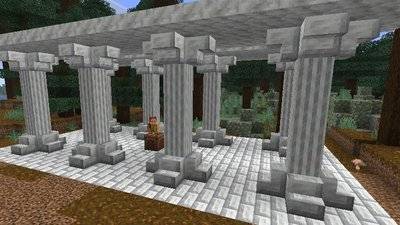
Woodland mansions can technically generate in ice caves, but the wiki says this is nearly impossible.
FAQ (Frequently Asked Questions)
Underground beneath cold biomes such as ice spikes, snowy plains, snowy taigas and frozen oceans, and occasionally under the dappled forest. They are more common near oceans. They were added in Java Edition 26.4 Snapshot 3 on 6 October 2026 as part of the upcoming 26.4 winter drop. Frostbites and strays spawn at light level 0, alongside common cave monsters. Glow squid and drowned can appear in aquifers. A crack in the floor of an ice cave covered with brittle ice and filled with water. The ice cracks and breaks when you stand on it. Yes, but only inside blobs of stone and deepslate embedded in the packed ice. Glow lichen, dirt and granite do not generate there.1. Where do ice caves spawn in Minecraft?
2. When were ice caves added to Minecraft?
3. What mobs spawn in ice caves?
4. What is a crevasse in Minecraft?
5. Can I find ores in ice caves?
Conclusion
Ice caves are the heart of Minecraft's 26.4 winter drop, holding most of its new blocks, the Frostbite and the Freezing effect. Look under snowy biomes near the coast, and keep an eye on the floor for crevasses.
With one piece of leather armor and a Silk Touch pickaxe, you can explore safely and bring home icicles, ice crystals and brittle ice for your builds.
- Ice caves generate under cold biomes, most often near oceans.
- They are the only natural source of icicles and ice crystals.
- Crevasses of brittle ice hide water below.
- Leather armor prevents freezing from frostbite attacks.
- Ores spawn only inside stone and deepslate blobs within the ice.