- Gold futures settled near $3,551 an ounce on Nov. 24, 2026, down about 2.7% on the day.
- Prices are roughly 33% below the record close of $5,318 set on Jan. 29, 2026.
- Gold is down about 18% year to date from roughly $4,341 at the end of 2025.
- A 20% decline from a peak is commonly called a bear market; gold is well past that line.
- High real yields and a firm U.S. dollar have been key headwinds, with the 10-year Treasury yield near 4.9%.
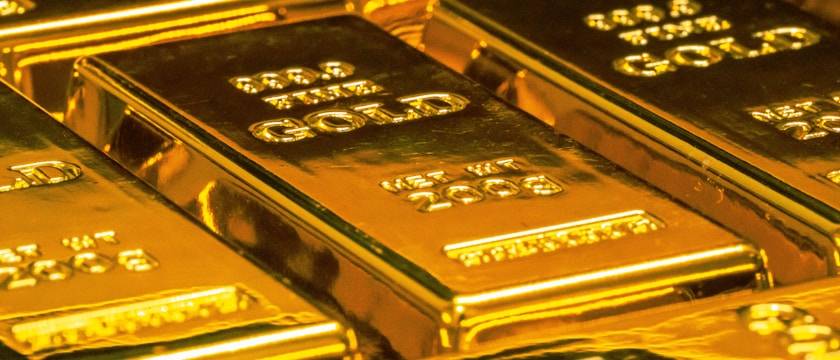
Gold's 2026 has turned from euphoria to slump. After hitting a record above $5,300 an ounce in late January, the precious metal has given back a third of its value, and Tuesday's sharp drop pushed it to new lows for the year.
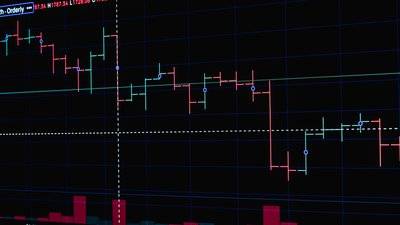
Gold futures fell about 2.7% on Nov. 24, 2026, to around $3,551, according to Yahoo Finance data. The decline came as Treasury yields stayed elevated and investors rotated in and out of risk assets during a volatile week for tech stocks.
We used daily price data to measure how deep the slump has become.
Quick answer: Gold futures closed around $3,551 an ounce on Nov. 24, 2026, about 33% below the Jan. 29, 2026 record of $5,318 and about 18% lower year to date. The drop puts gold firmly in bear-market territory, defined as a fall of at least 20% from a peak.Gold's 2026 in Numbers
Key price levels for COMEX gold futures this year:
| Point | Price per ounce | Change to Nov. 24 |
|---|---|---|
| End of 2025 (Dec. 31) | About $4,341 | -18% |
| Record close (Jan. 29, 2026) | About $5,318 | -33% |
| Nov. 23, 2026 | About $3,651 | -2.7% |
| Nov. 24, 2026 | About $3,551 | - |
Calculated by our editorial team from Yahoo Finance daily futures data. Spot prices may differ slightly.
Why Gold Has Fallen
Gold pays no interest, so it tends to struggle when yields on safe assets rise. The 10-year Treasury yield climbed above 5.3% in early October and remains near 4.9%. Mortgage rates have also moved back above 7%.
Central banks are leaning hawkish. Bank Indonesia, for example, raised its policy rate in November partly to prepare for a possible U.S. Federal Reserve hike in December.
After a record run that took prices above $5,300, profit-taking and the unwinding of speculative positions have added to the selling.
Is Gold in a Bear Market?
By the common definition, a decline of 20% or more from a recent high, yes. Gold crossed that threshold some time ago and is now about 33% below its January peak.
Gold has endured deep slumps before. After its 2011 peak near $1,900, prices fell by more than 40% over the following four years before recovering. Long-term holders often view such periods as part of gold's cycle rather than a reason to abandon it as a portfolio hedge.
What to Watch Next
The next major test is the Federal Reserve's December meeting. A rate hike would likely keep pressure on gold, while any sign of easing could support a rebound. The U.S. dollar and Treasury yields remain the main short-term drivers.
Thin trading over the Thanksgiving holiday can also exaggerate moves. U.S. markets are closed on Nov. 26 and close early on Nov. 27.
This article is for information only and is not investment advice.
FAQ (Frequently Asked Questions)
Gold futures settled near $3,551 an ounce on Nov. 24, 2026, down about 2.7%. The record close for gold futures was about $5,318 an ounce on Jan. 29, 2026. About 18% year to date and about 33% from the January record. Yes, by the common definition of a 20% decline from a peak. Elevated Treasury yields, hawkish central banks and profit-taking after a record rally have weighed on prices.1. What is the gold price today?
2. What is gold's record high?
3. How much has gold fallen in 2026?
4. Is gold in a bear market?
5. Why is gold falling?
Conclusion
Gold's slide from above $5,300 to about $3,550 ranks among its sharpest declines in years. With yields still high and the Fed meeting ahead, volatility is likely to continue.
- Gold futures about $3,551 on Nov. 24, 2026 (-2.7%).
- 33% below the $5,318 record of Jan. 29, 2026.
- Down about 18% year to date.
- Bear-market territory; Fed December meeting is the next test.