INDUSTRY.co.id - Surabaya - Chairman of Central Board of Directors of the Indonesian National Importers Association (GINSI) Anthon Sihombing considers the current national logistics costs are still too high when compared with neighboring countries, resulting in the price of products in the Indonesian market more expensive.
"In Indonesia, logistics costs reach 30 percent Indonesia, Malaysia 17 percent and Singapore 15 percent, which means that the cost is still high, so the price of goods is also high," said Anthon in Surabaya, Monday (13/11/2017)
Therefore, he said, GINSI asked the government to be involved in every customs tariff policy, especially for port service and import related, due to the existence of logistic cost which is still considered high.
While Member of GINSI Jatim Romzy Abdullah Abdat said the involvement of his organization in every port costing policy is very necessary, because in East Java only active members of Ginsi reached 600 importers.
"The amount is quite large," he said. "Currently, importers are experiencing problems related to communication with policy holders about logistic tariffs." The logistics tariff in Indonesia is still between 30-36 percent.
Therefore, Romzy claimed to be ready to open communication again in order to determine the new customs tariffs, port services and related imports, GINSI included, including regulations related to certain products.
"We are not importing anything, but if the import cost is too high, especially for raw materials, it will affect the industry," he said.
Therefore, Romzy targets communications on import-related associations to lower costs to support industry and sales in both domestic and export markets.
Meanwhile, Ginsi will hold a joint meeting and socialization of Regulation of the Minister of Trade (Permendag) number 63 calm iron and iron alloy to be held Tuesday (14/11) in Surabaya.
GINSI also oversees other associations such as the Indonesian Logistics and Forwading Association (ALFI), INSA, Organdasus trucks at ports, and others, with nationwide importers of about 26,000 to 28,000.
The cost of the National Logistics Sector is Still High
Chairman of Central Board of Directors of the Indonesian National Importers Association (GINSI) Anthon Sihombing considers the current national logistics costs are still too high when compared with neighboring countries, resulting in the price of products in the Indonesian market more expensive
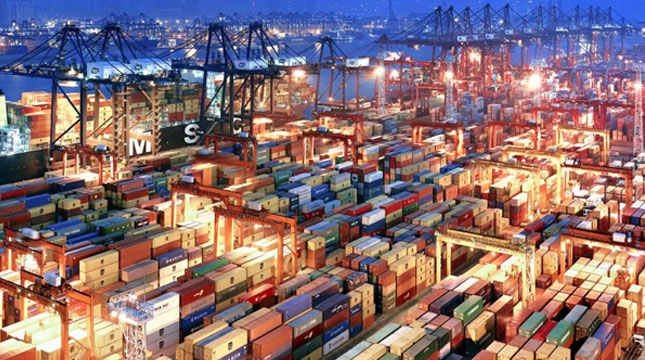
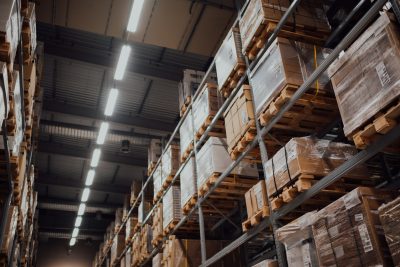
Logistic Ilustration
Tags: