Japan is the world's most aged society, and its shrinking workforce is reshaping one of Asia's largest economies. With its population now near 123 million and falling, the country has turned to a powerful combination of automation, robotics and policy reform to sustain output. Understanding how Japan manages its aging workforce offers critical lessons for every developed economy facing a similar demographic cliff.
The Demographic Challenge
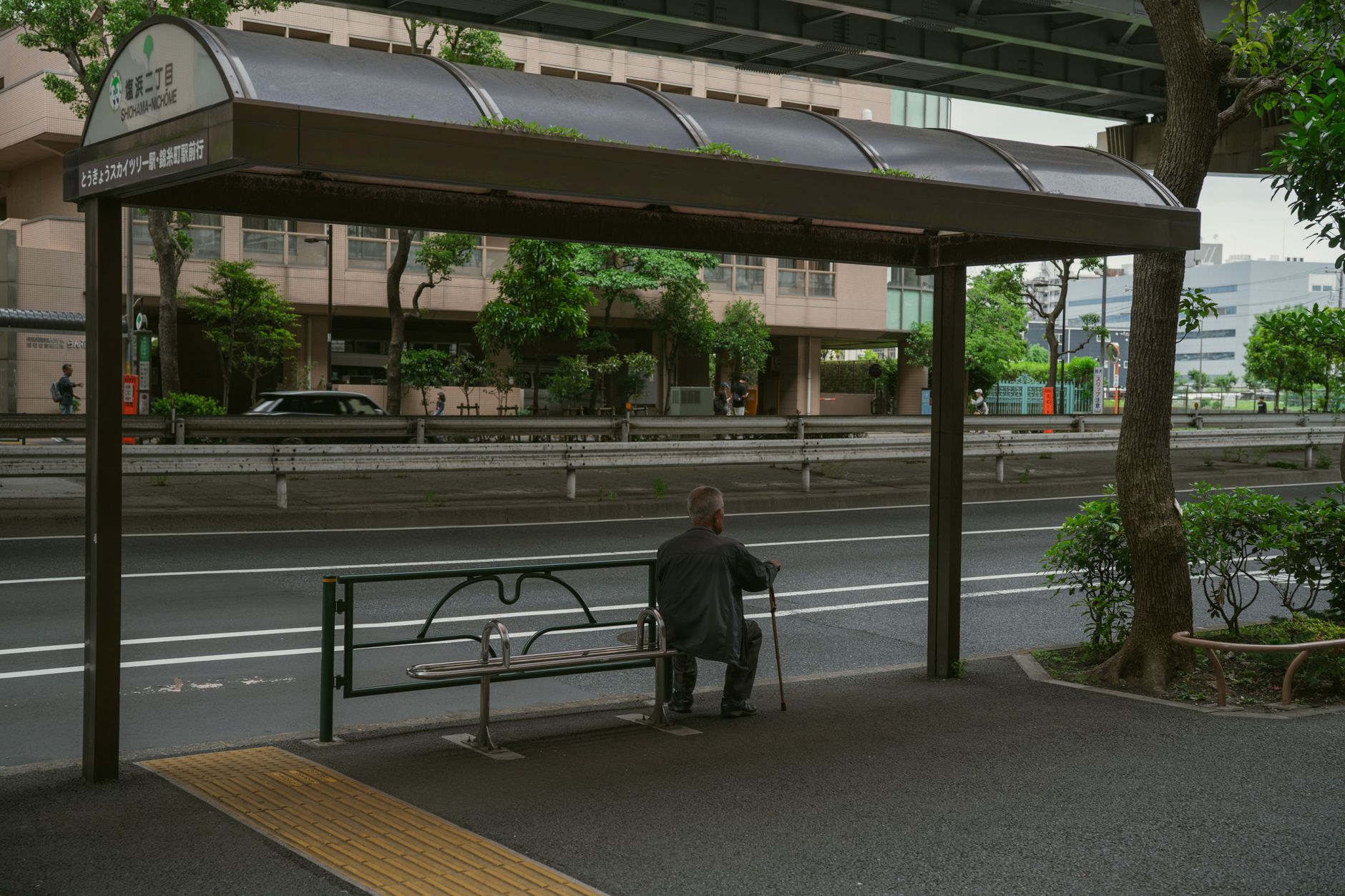
Japan's population peaked at around 128.5 million in 2010 and has been declining ever since. By April 2025, official statistics placed the population at approximately 123.4 million, a decline of more than 5 million people over a decade and a half. Around 29 percent of the population is now aged 65 or older, and projections suggest more than 35 percent will be in that bracket by 2050.
This is not merely a future problem; it is affecting the labour market today. The working-age population, those aged 15 to 64, has been shrinking for decades, creating chronic shortages across manufacturing, construction, healthcare and services. Japan's response has been a national strategy built on automation, immigration reform, and extending the working lives of older citizens.
- Peak population (2010): 128.5 million
- Population (April 2025): ~123.4 million, still declining — Japan Statistics Bureau / IPSS
- Share aged 65+: ~29% today, forecast above 35% by 2050
- Working-age population: shrinking for decades amid chronic labour shortages
Automation as the Economic Response
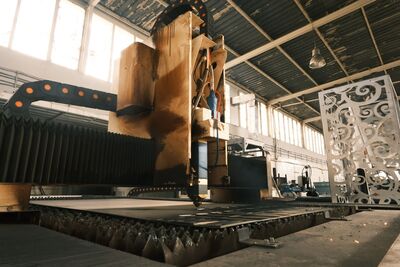
The structural driver behind Japan's record robot orders is, in large part, demography. With fewer young workers entering the workforce and older workers increasingly retiring, Japanese firms have little choice but to automate. This is most visible in manufacturing, where the country's leading robotics companies have seen order books swell as factories replace retiring workers with machines.
According to the Japan Robot Association (JARA), robot production rebounded sharply in 2025 after a soft 2024, with full-year output estimated up 21 percent to 837.3 billion yen. The surge reflects not just global demand, but a domestic push to keep factories running as the available labour pool shrinks.
Service and Care Robots Fill the Gaps
Beyond the factory floor, Japan is applying robotics to caregiving and services — areas hit hardest by the ageing population. Companion robots, nursing-care lifters, and autonomous delivery vehicles are all being piloted and deployed across the country. Reports from Reuters and Bloomberg in 2025 highlighted thousands of companion robots entering daily use, alongside growing research into humanoid robots for healthcare and hospitality.
Policy Reforms and the Workforce of the Future
Automation alone cannot solve Japan's workforce challenge. The government has also pursued a range of complementary policy measures:
- Extending retirement ages: Firms are encouraged to keep workers employed into their 70s, with many now doing so.
- Raising foreign worker participation: Visa programmes have been expanded to bring in skilled and semi-skilled workers in sectors facing acute shortages.
- Encouraging female labour participation: Policy reforms have pushed more women into the formal workforce.
- Digitalisation of services: Government and corporate digital transformation reduces the need for manual back-office work.
These measures have helped. Participation rates among older Japanese workers are now among the highest in the OECD, and female labour participation has risen significantly over the past decade. Yet the World Economic Forum and other analysts caution that automation and participation have delayed — not solved — Japan's demographic problem. The fundamental arithmetic of a shrinking population still looms over long-term growth.
Lessons for the World
Japan's experience is widely seen as a preview of what many economies will face within the next few decades. South Korea, Germany, China and even parts of Southeast Asia are tracking similar demographic trajectories. Japan's playbook — a blend of robotics investment, immigration reform, extended working lives and digital transformation — offers a real-world case study in adapting to a shrinking workforce.
For global businesses, Japan's example underscores a key strategic point: automation is not just a cost-cutting tool but a demographic survival strategy. Companies that invest early in robotics and workforce flexibility will be better positioned to weather labour shortages than those that wait.
Key Takeaways
- Japan's population has fallen from 128.5M to under 124M since 2010, and keeps declining.
- ~29% of Japanese are aged 65+, forecast above 35% by 2050.
- Record robot orders are driven by chronic labour shortages.
- Policy levers include extended retirement, immigration reform and digitalisation.
- Japan's model is a global case study on managing demographic decline.