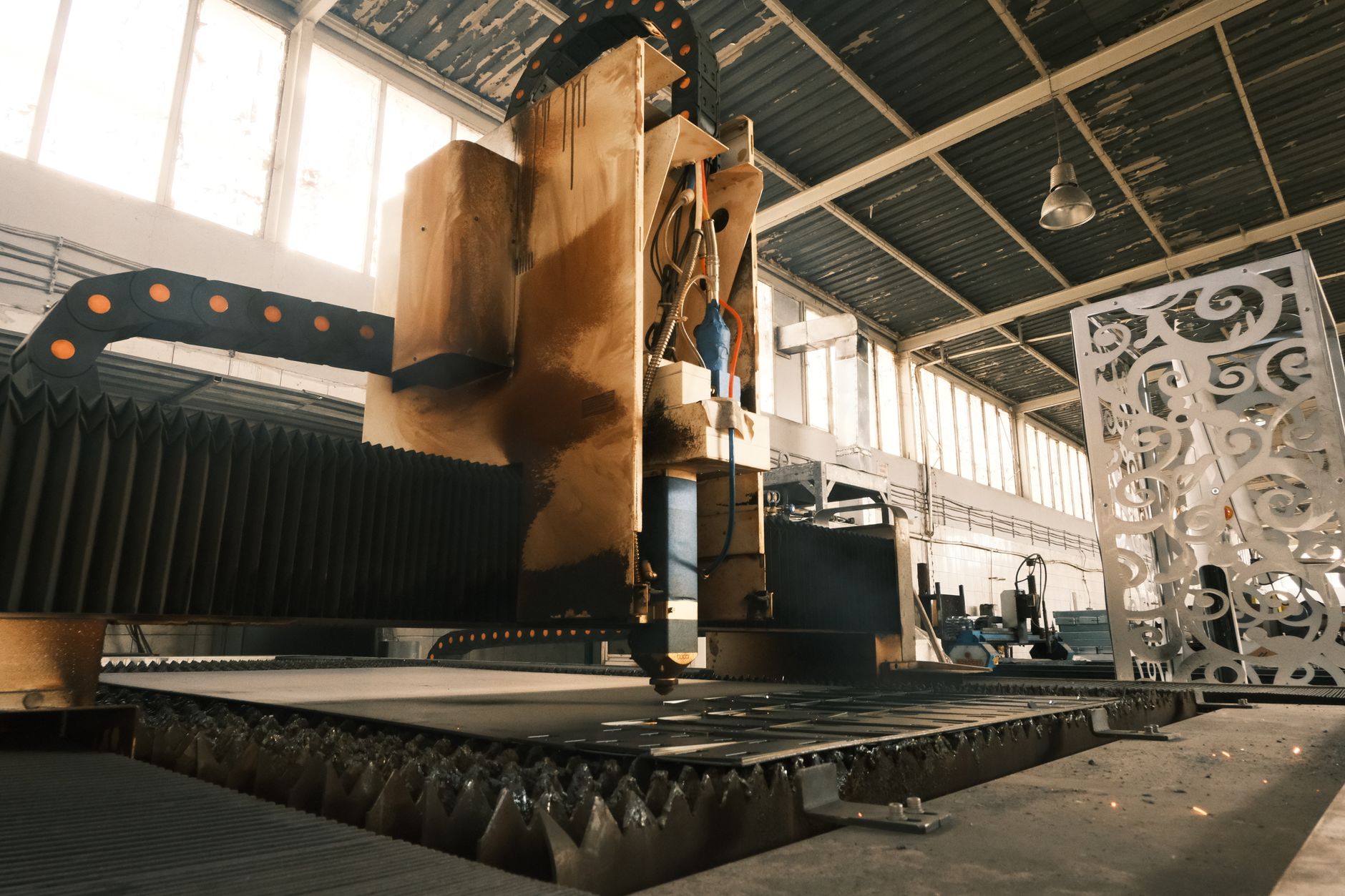
Asia's manufacturing landscape is undergoing a profound transformation, moving beyond its traditional role as the world's factory floor to become a nexus of innovation and high-tech production. The strategic importance of Advanced Manufacturing Hubs in Asia is set to intensify by 2026, as nations across the continent increasingly leverage digitalization, automation, and sustainable practices to drive economic growth and global competitiveness. This strategic overview delves into the key characteristics, regional dynamics, and future outlook of these pivotal industrial centers.
The Evolving Landscape of Asian Manufacturing
The shift towards advanced manufacturing in Asia is not merely an incremental upgrade but a fundamental re-engineering of industrial processes, driven by global supply chain disruptions, rising labor costs, and an imperative for greater efficiency and resilience. Countries like China, South Korea, Japan, and Singapore have been at the forefront, investing heavily in Industry 4.0 technologies such as artificial intelligence (AI), the Internet of Things (IoT), robotics, and big data analytics. This technological embrace is transforming factories into smart, interconnected ecosystems capable of self-optimization, predictive maintenance, and highly customized production. For instance, China's vast manufacturing base, traditionally reliant on volume, is now aggressively pursuing high-value-added production, with significant government and private sector investments channeled into next-generation information technology, high-end numerical control machinery, and new energy vehicles. Government initiatives, such as substantial R&D subsidies and the establishment of national innovation centers, underpin this ambitious shift. These efforts are not only fostering domestic technological breakthroughs but also attracting international partnerships eager to tap into China’s evolving industrial ecosystem and its burgeoning demand for advanced solutions.
Beyond the industrial giants, emerging economies in Southeast Asia, including Vietnam, Malaysia, and Thailand, are also making significant strides. These nations are attracting substantial foreign direct investment (FDI) in advanced electronics, automotive components, and medical devices, often benefiting from diversification strategies by multinational corporations seeking to de-risk supply chains and tap into new talent pools. Malaysia, for example, is strengthening its position in the semiconductor and electrical & electronics (E&E) sectors, moving up the value chain through R&D and design capabilities. Its focus extends to advanced packaging, integrated circuit design, and the development of smart manufacturing solutions within its E&E sector, aiming to transition from assembly to high-end design and manufacturing. Vietnam continues to attract major tech manufacturers, leveraging its youthful workforce and government incentives to build robust supply chains for high-tech consumer goods and components, becoming a critical hub for global electronics giants with significant investments in smartphone, tablet, and component manufacturing, supported by favorable trade policies and a growing pool of engineering talent. This regional dynamism underscores a broader trend where advanced manufacturing capabilities are becoming more geographically distributed across Asia, fostering greater competition and collaboration.
The drive for sustainability and circular economy principles is another defining characteristic of Asia's evolving manufacturing landscape. By 2026, environmental, social, and governance (ESG) considerations will be even more deeply integrated into manufacturing strategies, influencing everything from raw material sourcing to production processes and product lifecycle management. Smart factories are increasingly designed to minimize waste, optimize energy consumption, and reduce carbon footprints, responding to both regulatory pressures and growing consumer demand for eco-friendly products. This commitment to green manufacturing not only enhances corporate responsibility but also unlocks new efficiencies and market opportunities, positioning Asian hubs as leaders in sustainable industrial innovation. Pilot projects demonstrating carbon capture technologies in heavy industries and the widespread adoption of solar and wind power in industrial parks across the region highlight this commitment. Furthermore, the development and application of advanced materials, such as lightweight composites and biodegradable polymers, are reducing resource consumption and waste, embedding sustainability at the core of product design and manufacturing processes.
Key Players and Their Strategic Focus
Within the diverse tapestry of Asian manufacturing, several key players stand out for their distinct strategic focuses and contributions to the region's advanced industrial capabilities. China remains an undisputed behemoth, directing its immense resources towards achieving technological self-sufficiency and global leadership in areas like AI, quantum computing, 5G, and electric vehicles. Its industrial internet platforms are expanding rapidly, connecting millions of pieces of equipment and enabling real-time data analysis for optimized production. The sheer scale of its industrial internet platforms, exemplified by companies like Haier's COSMOPlat or Foxconn's 'Lights-out' factories, demonstrates an unparalleled capacity for large-scale digital transformation. This enables predictive maintenance, real-time quality control, and highly agile production lines, positioning China as a key driver of global industrial innovation. While geopolitical tensions may prompt some supply chain adjustments, China's foundational role and its continued investment in cutting-edge manufacturing infrastructure ensure its enduring significance.
Japan and South Korea represent the pinnacle of precision engineering, high-tech components, and cutting-edge automation. Japan’s strength lies in robotics, advanced materials, and highly specialized machinery, with companies consistently pushing the boundaries of automation and quality control. Its "Society 5.0" vision integrates cyber-physical systems to address societal challenges, with advanced manufacturing playing a central role in achieving hyper-connected, intelligent industries. Japan's annual R&D expenditure consistently ranks among the highest globally, translating into breakthroughs in areas like advanced robotics, high-performance materials, and precision optics. South Korea, similarly, excels in semiconductors, displays, batteries, and shipbuilding, driven by massive R&D investments and a strong ecosystem of large conglomerates and innovative startups. South Korea's investment in R&D, often exceeding 4% of its GDP, fuels its dominance in memory chips, OLED displays, and cutting-edge battery technology, underpinning its role as a critical supplier for the global tech industry. Both nations prioritize intellectual property creation and maintain a competitive edge through continuous innovation and a highly skilled workforce, making them critical nodes for high-value, complex manufacturing processes.
Singapore, despite its small geographical footprint, has carved out a niche as a high-value manufacturing hub, specializing in biomedical sciences, aerospace, chemicals, and precision engineering. Its strategic focus on R&D, talent development, and robust intellectual property protection has attracted leading global companies looking to establish regional headquarters and advanced production facilities. Its strategic location and world-class infrastructure make it an attractive regional hub for multinational corporations seeking to establish advanced production facilities, R&D centers, and supply chain management operations. The nation's robust intellectual property regime and a highly educated, multilingual workforce further enhance its appeal as a premium manufacturing base for complex and critical components. The nation actively fosters an innovation ecosystem through government grants, collaborations between academia and industry, and initiatives like the "Manufacturing 2030" plan, aiming to transform Singapore into a global business, innovation, and talent hub for advanced manufacturing. Meanwhile, countries like Vietnam and Malaysia are increasingly seen as crucial diversification points. Vietnam's prowess in electronics assembly and textiles is growing, attracting tech giants with its competitive labor costs and improving infrastructure. Malaysia's established semiconductor industry continues to evolve, with increasing focus on design and higher-value manufacturing processes, demonstrating a clear upward trajectory in the global value chain.
- China's Dominance in Emerging Tech: Extensive investment in AI, EVs, and industrial internet platforms solidifies its role as a global manufacturing and innovation powerhouse.
- Precision and High-Value Specialization: Japan and South Korea lead in robotics, semiconductors, and advanced materials, driven by intense R&D and quality engineering.
Challenges, Opportunities, and the Road Ahead
While the trajectory for Advanced Manufacturing Hubs in Asia appears largely positive, the path forward is not without its challenges. Geopolitical tensions, particularly between major global powers, introduce an element of uncertainty, potentially leading to further supply chain fragmentation and increased pressure for regionalization. Businesses operating in Asia must navigate complex regulatory environments and evolving trade policies, which can impact investment decisions and market access. Furthermore, the rapid pace of technological change creates an ongoing demand for a highly skilled workforce, posing a significant talent gap challenge. Countries must invest heavily in STEM education, vocational training, and continuous upskilling programs to ensure their labor forces can meet the demands of advanced manufacturing technologies, from robotics programming to data analytics. Governments across Asia are actively implementing national strategies to address this, including partnerships between industry and academia to co-develop curricula, establishing centers of excellence for Industry 4.0 skills, and offering incentives for lifelong learning. The goal is to cultivate a workforce that is not only proficient in operating advanced machinery but also adept at innovation, problem-solving, and adapting to new technological paradigms. Infrastructure development, especially digital infrastructure, also remains a critical area for improvement in many parts of the region to support the widespread adoption of Industry 4.0.
Despite these hurdles, immense opportunities abound for Asian manufacturing hubs. The accelerating digital transformation offers unparalleled avenues for enhanced efficiency, personalized production, and new business models. The adoption of digital twins, virtual reality (VR), and augmented reality (AR) in manufacturing processes is set to revolutionize product design, prototyping, and maintenance. Moreover, the global push towards sustainability and green manufacturing presents a significant market advantage for hubs that prioritize eco-friendly practices and circular economy principles. This includes the development and adoption of advanced recycling technologies, the integration of smart energy management systems to reduce consumption, and the design of products for disassembly and reuse. Asian manufacturers are increasingly exploring bio-based materials and additive manufacturing (3D printing) to minimize waste and optimize resource utilization, positioning themselves as pioneers in sustainable industrial practices. Investment in renewable energy for industrial operations, the development of sustainable materials, and closed-loop manufacturing systems will not only attract environmentally conscious consumers and investors but also comply with increasingly stringent global regulations. This commitment to sustainability can unlock new export markets and strengthen brand reputation on a global scale.
Looking towards 2026 and beyond, the trend of regional economic integration, epitomized by agreements like the Regional Comprehensive Economic Partnership (RCEP), will further solidify Asia's position as a global manufacturing powerhouse. These agreements facilitate smoother trade, reduce tariffs, and harmonize standards, creating a more cohesive and attractive investment environment across member states. The diversification of supply chains, driven by lessons learned from recent global crises, is also creating opportunities for smaller, specialized hubs to emerge and thrive, offering niche expertise and resilience. The continuous interplay of technological innovation, strategic government policies, and a dynamic workforce will ensure that Advanced Manufacturing Hubs in Asia remain at the forefront of global industrial evolution, shaping the future of production and driving economic prosperity across the continent. The emphasis will increasingly be on agile, resilient, and intelligent manufacturing ecosystems capable of adapting to rapid market changes and unforeseen disruptions, ensuring long-term competitiveness and leadership in a complex global economy. These hubs are not just producing goods; they are generating knowledge, fostering innovation, and setting new benchmarks for industrial excellence worldwide.
Key Takeaways
- Asia's Transformation: The continent is rapidly shifting from traditional production to advanced manufacturing, driven by Industry 4.0 technologies and a focus on high-value, innovation-led output across diverse economies.
- Diverse Specializations: Key players like China (AI, EVs), Japan & South Korea (precision, semiconductors), and Singapore (biomedical, aerospace) exhibit distinct strengths, while ASEAN nations offer strategic diversification and growing capabilities.
- Future Resilience and Sustainability: Navigating geopolitical risks and talent gaps, Asian hubs are poised for growth through digital transformation, green manufacturing initiatives, and stronger regional economic integration, ensuring adaptive and sustainable industrial ecosystems.