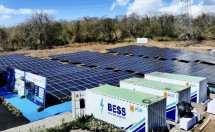
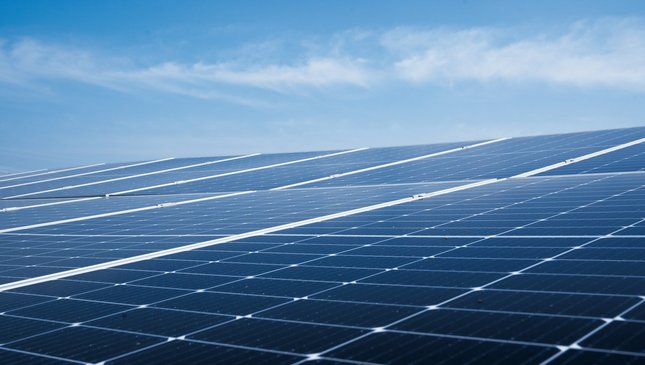
Factory roofs are among the largest unused surfaces in any industrial estate. Wide, flat and exposed to the sun for most of the day, they are an obvious place to generate electricity. As the cost of solar panels has fallen and pressure to cut emissions has grown, more manufacturers are asking whether rooftop solar makes sense for their operations.
For many plants, the answer is yes, but the details matter. A rooftop system is a long-term infrastructure decision, and the companies that benefit most are those that plan carefully before the first panel goes up.
Why manufacturers are interested
The first motivation is cost. Electricity is a significant operating expense for many industries, from textiles and food processing to plastics and metalworking. Solar power generated on site can offset part of the electricity bought from the grid during daylight hours, which is often when factories run at full load.
The second motivation comes from customers. Global brands increasingly ask their suppliers to report emissions and to show progress in using renewable energy. For export-oriented manufacturers, having a visible renewable energy installation can strengthen their position in international supply chains.
Third, solar offers a degree of predictability. Once installed, the system's output depends largely on sunlight, which helps companies plan a portion of their energy costs over many years.
Questions to answer first
- Can the roof carry it? Older factory roofs may need a structural assessment, and sometimes reinforcement, before panels are installed. The roof's remaining lifespan also matters, since panels typically stay in place for decades.
- How does the plant use power? A factory that runs mostly during the day can use more of its solar output directly. Plants with heavy night shifts will rely on the grid, or on storage, for a larger share of their needs.
- What do the regulations allow? Rules on system capacity, grid connection and the treatment of exported electricity shape the economics. Manufacturers should check the latest requirements from the authorities and the utility before sizing a system.
- How will it be financed? Options range from buying the system outright to leasing or signing a power purchase agreement with a developer who owns and maintains the panels.
Operation and maintenance
Solar panels have no moving parts, but they are not maintenance-free. In dusty industrial areas, dirt on the panels can noticeably reduce output, so regular cleaning is important. Inverters, cabling and mounting structures also need periodic inspection. Monitoring software that compares actual generation with expected output helps detect problems early.
Safety deserves attention too. Rooftop systems must be designed with proper fire protection, safe access paths for maintenance staff and clear procedures for emergency shutdown.
Part of a broader energy strategy
Rooftop solar works best when it is combined with efforts to use energy more efficiently. A plant that first reduces wasted energy, for example by fixing compressed air leaks or upgrading old motors, will need a smaller solar system to cover the same share of its demand.
For Indonesian manufacturers, the case for rooftop solar rests on abundant sunshine throughout the year and the growing expectations of global buyers. With careful planning, a factory roof can become a productive asset rather than just a cover over the production floor.