Renewable energy is power generated from natural resources that replenish themselves — sunlight, wind, water, heat from the earth, and organic matter. Unlike coal, oil, and gas, these sources are not depleted when we use them, and they produce little or no greenhouse gas during operation. As the world works to cut emissions, renewables have moved from the margins to the mainstream of the global energy system.
The Main Types of Renewable Energy
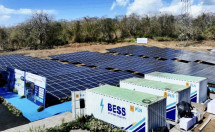
- Solar power converts sunlight into electricity using photovoltaic panels, or into heat using solar thermal systems.
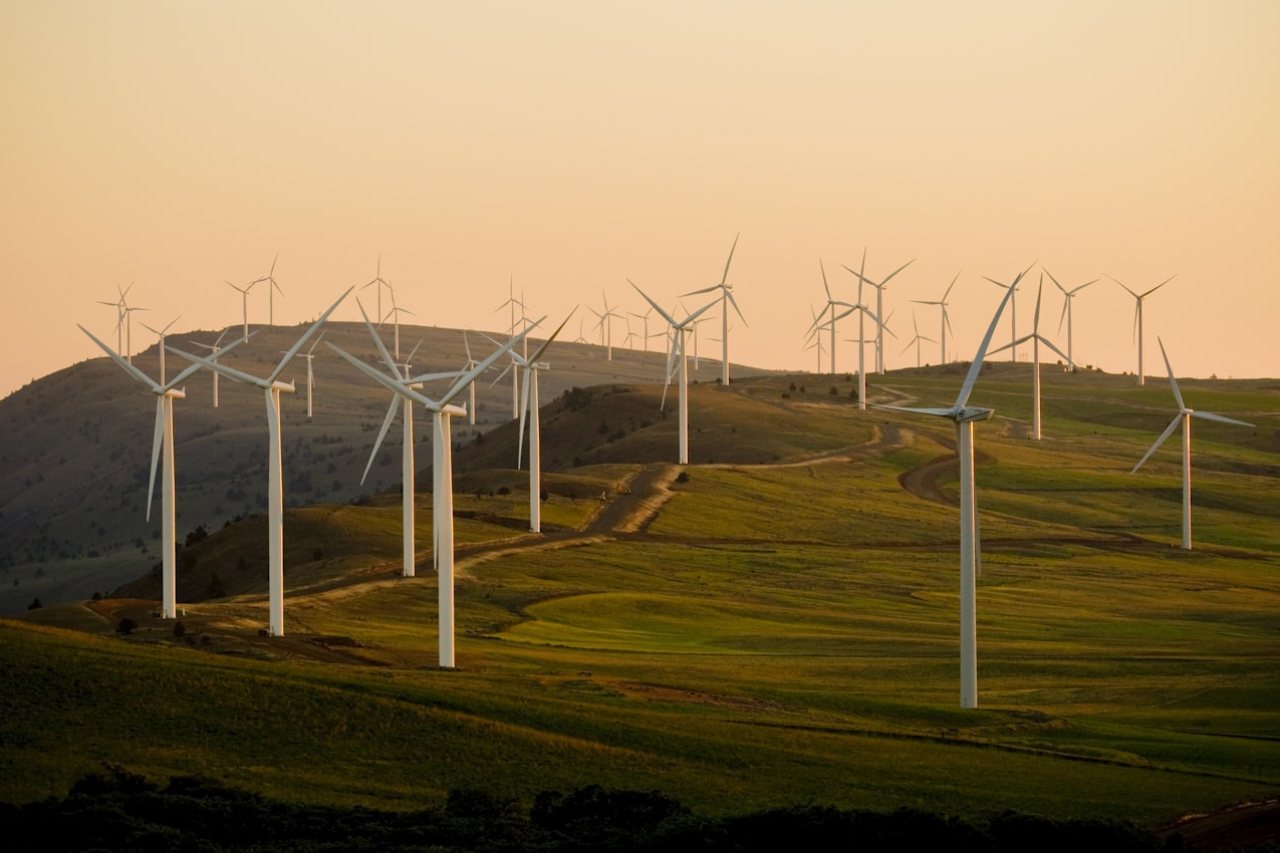
- Wind power uses turbines to turn moving air into electricity, on land or offshore.
- Hydropower harnesses flowing water, typically through dams, to spin generators.
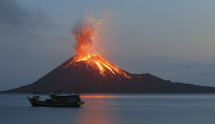
- Geothermal energy taps heat stored beneath the earth’s surface.
- Biomass produces energy from organic materials such as agricultural and forestry residues.
Why Renewables Matter
The benefits go beyond the environment. Because the “fuel” is free, renewables can lower long-term energy costs and reduce dependence on imported fossil fuels. They also create jobs in manufacturing, installation, and maintenance, and they can bring electricity to remote communities through small, local systems.
The Challenge of Intermittency
Renewables do face a practical hurdle: the sun does not always shine and the wind does not always blow. This variability, known as intermittency, is being addressed through battery storage, smarter grids, and a diverse mix of sources that balance each other out. As storage costs fall, this challenge is steadily shrinking.
The Road Ahead
Renewable energy is now the fastest-growing source of power in many countries, often cheaper to build than new fossil-fuel plants. For nations rich in sun, wind, and geothermal potential, the transition is both an environmental necessity and an economic opportunity — a chance to build a cleaner, more secure energy future.