- 5S is a Japanese workplace organization method made up of Seiri, Seiton, Seiso, Seiketsu and Shitsuke.
- In English the steps are often called Sort, Set in order, Shine, Standardize and Sustain; in Indonesia, 5R.
- 5S is a foundation of lean manufacturing and Total Productive Maintenance in many factories.
- Benefits include less time searching for items, fewer accidents and earlier detection of machine problems.
- Implementation can start in one small area using red tags and before-and-after photos.
5S is a simple method for keeping a workplace clean, orderly, safe and efficient. Originating in Japan, it underpins many productivity programs in factories, from automotive to food and beverage.
The name comes from five Japanese words that all start with S: Seiri, Seiton, Seiso, Seiketsu and Shitsuke. The method became widely known through the Toyota Production System and spread worldwide as part of lean manufacturing.
In Indonesia, many companies translate it as 5R: Ringkas, Rapi, Resik, Rawat and Rajin. The content is the same; only the terms change so employees remember them easily.
Quick answer: 5S is five steps to organize a workplace: Seiri (sort out what is not needed), Seiton (give everything a fixed place), Seiso (clean while inspecting), Seiketsu (standardize) and Shitsuke (sustain the discipline). In English they are Sort, Set in order, Shine, Standardize and Sustain.The Five Steps of 5S Explained
Each S is one step, carried out in order. The first three focus on the physical workplace; the last two make the results last.
| Japanese term | English | Meaning | Factory example |
|---|---|---|---|
| Seiri | Sort | Remove what is not needed | Discarding broken parts and unused tools |
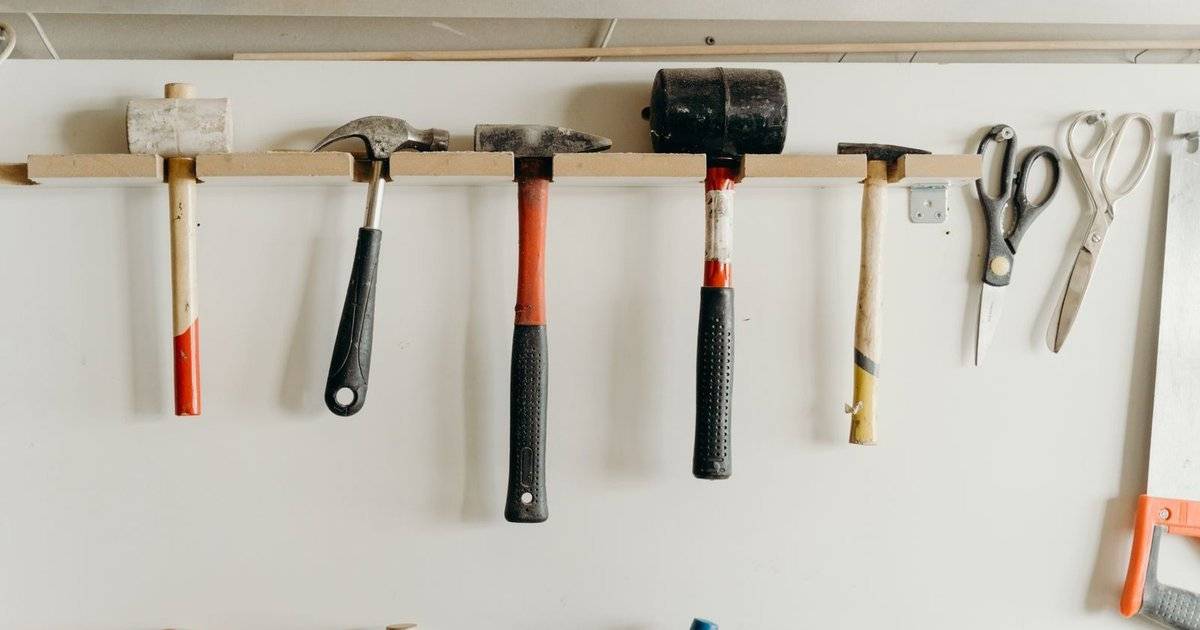
| Seiton | Set in order | Give every item a fixed, easy-to-reach place | Shadow boards outlining each tool |
| Seiso | Shine | Clean and inspect at the same time | Cleaning a machine while checking for oil leaks |
| Seiketsu | Standardize | Create standards so the first three steps stick | Cleaning schedules and checklists per area |
| Shitsuke | Sustain | Build the discipline to follow standards | Regular 5S audits and recognition |
English names vary slightly between companies. In Indonesia the same steps are known as Ringkas, Rapi, Resik, Rawat and Rajin (5R).
Benefits of 5S for Industry
The quickest win is less time spent searching. When every tool has a labeled home, operators no longer wander around looking for wrenches, molds or parts.
5S also improves safety. Floors free of clutter and oil spills reduce trips and slips, a common cause of factory accidents.
Seiso supports maintenance. While cleaning, operators spot loose bolts, leaks and wear before they become major failures, directly improving machine availability and OEE.
For suppliers to large customers or export markets, an organized workplace also makes a professional impression during customer audits and quality certifications.
How to Implement 5S Step by Step
Start with a small pilot area such as one workstation or a spare parts store, and photograph the starting condition for comparison.
For Sort, use red tags. Tag items of doubtful use, move them to a quarantine area and decide within a set time whether to discard, relocate or return them.
For Set in order, assign locations by frequency of use. Items used every hour sit closest to the operator; rarely used items go further away. Use labels, floor lines and tool shadow boards.
For Shine, set a short cleaning routine at the start or end of each shift, say five minutes, with clear ownership by area. For Standardize, capture everything in checklists and reference photos posted in the area.
For Sustain, run regular audits with a simple score, display results on a board and recognize the best areas. Once the pilot succeeds, roll out to other areas.
Common 5S Mistakes
Treating 5S as just a cleaning campaign. Without Standardize and Sustain, the workplace slides back into disorder within weeks.
Running 5S only before audits or visits. Employees then see it as extra work rather than the normal way of working.
Leaving operators out. The people who work in an area every day know best what is truly needed and where it should go.
5S can also open the door to continuous improvement, or Kaizen. An organized workplace makes problems visible, so improvement ideas come faster.
FAQ (Frequently Asked Questions)
Seiri, Seiton, Seiso, Seiketsu and Shitsuke, often translated as Sort, Set in order, Shine, Standardize and Sustain. The Indonesian version of 5S: Ringkas, Rapi, Resik, Rawat and Rajin. Marking items of doubtful use with red tags, moving them to a quarantine area and then deciding whether to keep or discard them. No. It works in workshops, warehouses, restaurant kitchens and offices. A pilot area can be organized in days, but building the habit takes months of regular audits and coaching.1. What does 5S stand for?
2. What is 5R?
3. What is red tagging in 5S?
4. Is 5S only for large factories?
5. How long does 5S take?
Conclusion
5S is a low-cost method with real impact: safer workplaces, less wasted time and better-maintained machines. The key lies in the last two steps, standardizing and sustaining.
Start with one small area, involve operators and measure the results. Once proven, 5S can anchor a broader productivity program.
- 5S is Seiri, Seiton, Seiso, Seiketsu and Shitsuke.
- In English: Sort, Set in order, Shine, Standardize, Sustain.
- Red tagging helps with the Sort step.
- Standards and discipline keep 5S results in place.
- Start with a small pilot area, then expand.